Harriman Railroad Ranch: From Union Pacific Retreat to Idaho State Park
Island Park History · 9 min read · April 2026
A Railroad Baron's Private Paradise
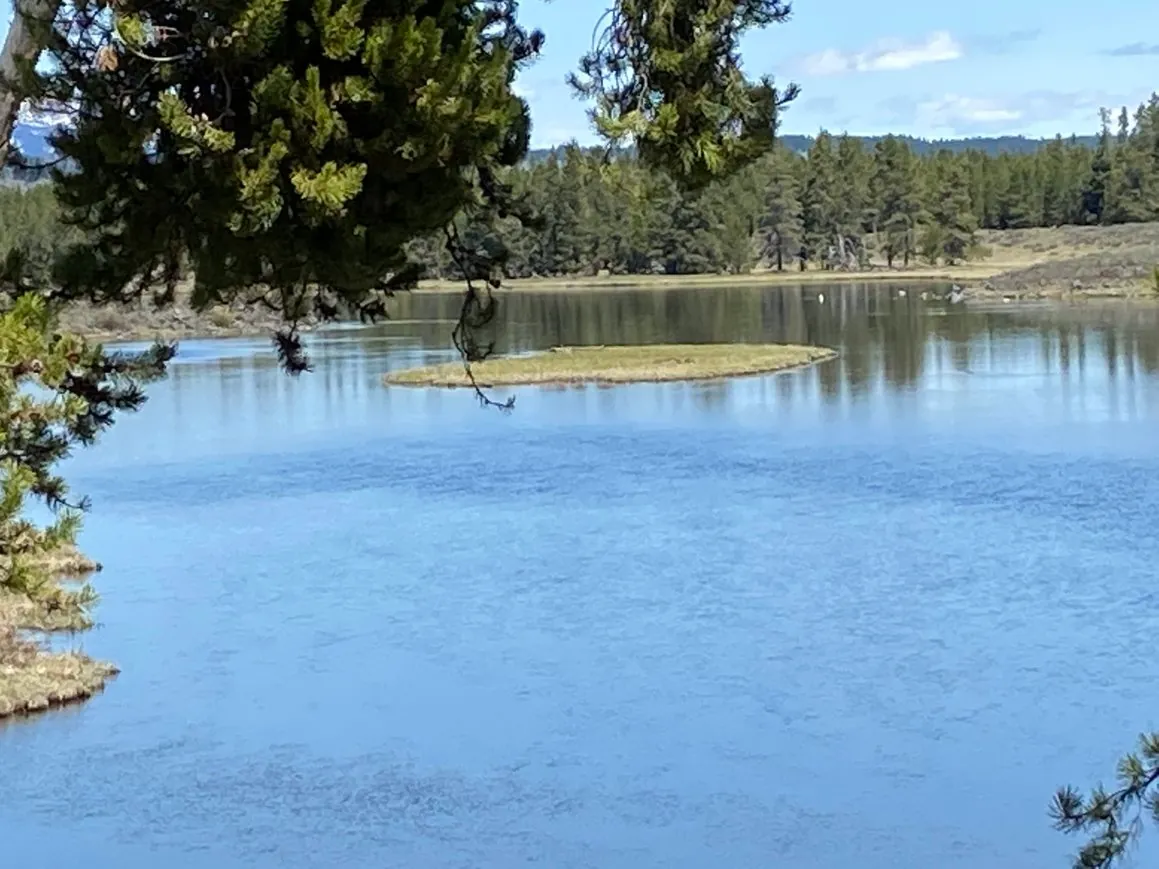
Tucked along the banks of the Henry's Fork of the Snake River in Island Park, Idaho, Harriman State Park preserves one of the most remarkable stories in the American West — the transformation of a railroad executive's private retreat into a 16,000-acre wildlife sanctuary and state park.
For decades, this sprawling ranch was the exclusive getaway of some of America's wealthiest families. Today, it's open to everyone — a place where trumpeter swans glide across Silver Lake, moose browse in willow meadows, and anglers cast to rising trout on one of the most storied fly fishing rivers in the world.
The Railroad Barons Who Built It
The story begins in the early 1900s with the Oregon Short Line Railroad, a subsidiary of the Union Pacific. Railroad executives discovered the upper Henry's Fork valley — a spectacular landscape of lodgepole pine forests, spring-fed rivers, and volcanic plateaus inside the Island Park Caldera.
In 1902, the railroad acquired roughly 16,000 acres along the Henry's Fork. The property became known as the Railroad Ranch — a private retreat for Union Pacific executives and distinguished guests including presidents, senators, and industrialists.
The two families most associated with the ranch were the Harrimans and the Guggenheims. E.H. Harriman, who controlled the Union Pacific, Southern Pacific, and Illinois Central railroads, was the driving force. After his death in 1909, his son W. Averell Harriman — later Governor of New York and U.S. Ambassador — continued the family's connection for decades.
Life on the Railroad Ranch
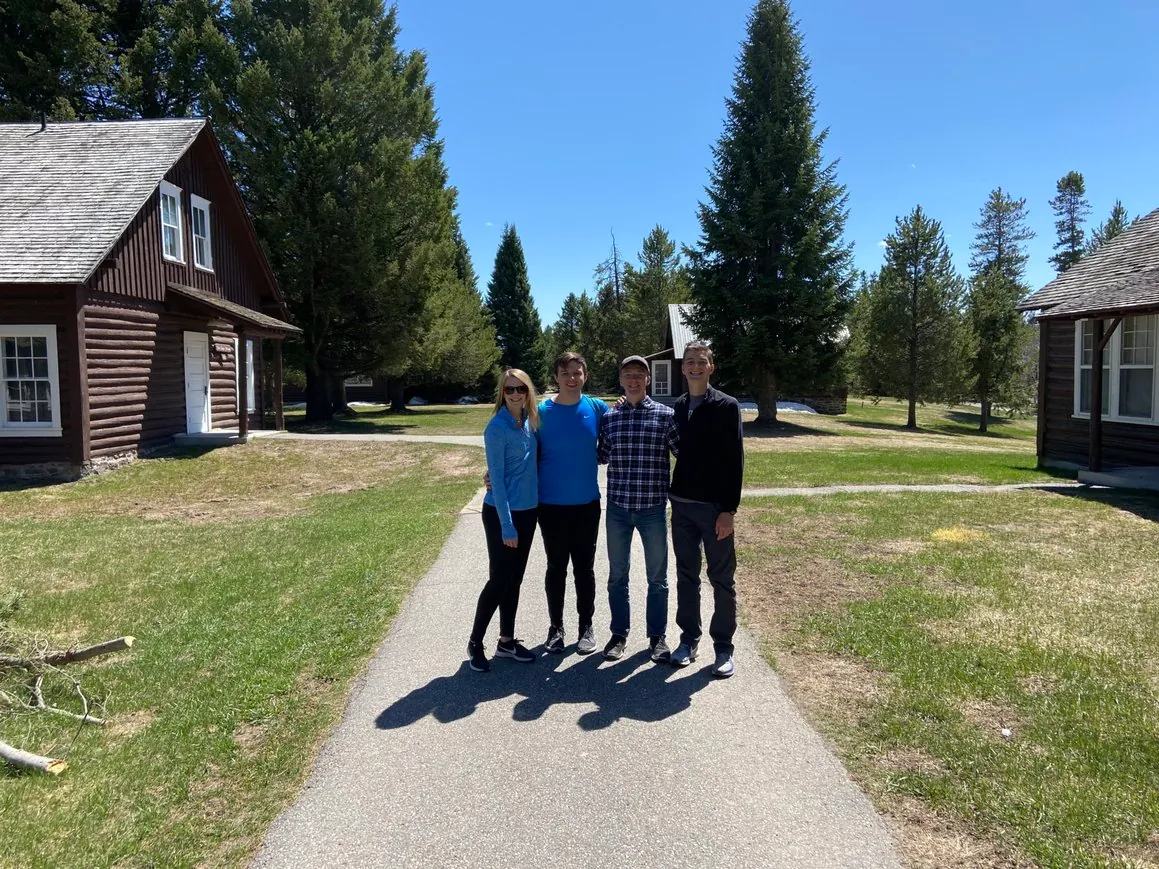
The Railroad Ranch wasn't a working cattle operation — it was a gentleman's retreat designed for fly fishing, horseback riding, and entertaining elite guests. The property included a main lodge, guest cabins, a cookhouse, barns, and miles of private river frontage.
Buildings were constructed in the rustic Western style that influenced dude ranches throughout the region — log construction, stone fireplaces, and covered porches overlooking the river.
Guests arrived by train to Ashton or West Yellowstone, then traveled through Island Park's 33-mile corridor to the ranch. The journey itself was part of the experience.
The Fly Fishing Legacy
The ranch's greatest contribution may be establishing the Henry's Fork as one of the world's premier fly fishing destinations. The private "Railroad Ranch stretch" — a 3-mile section — remains among the most hallowed fly fishing water on Earth.
Glassy-smooth, spring-fed currents, prolific insect hatches, and large, educated rainbow trout define this stretch. When the ranch opened to the public, anglers from around the world descended. Today it's catch-and-release only and a bucket-list destination. See our guide to fly fishing spots in Island Park.
The Gift to Idaho
In 1977, the Harriman family donated the entire 16,000-acre Railroad Ranch to the State of Idaho. The donation came with conditions — the land must be preserved as a wildlife refuge and state park, with no commercial development.
Idaho established Harriman State Park, which opened to the public in 1982. The park preserves both the natural landscape and the historic ranch buildings.
Harriman State Park Today
Harriman State Park encompasses 16,000 acres of pristine habitat in the heart of Island Park. Activities include:
Fly Fishing
The Railroad Ranch stretch is catch-and-release only — some of the most technically challenging trout fishing in North America.
Hiking & Trail Running
Over 20 miles of trails. The Silver Lake Loop (3 miles) is family-friendly with excellent wildlife viewing.
Cross-Country Skiing
Groomed winter trails make Harriman one of Idaho's best Nordic skiing destinations.
Wildlife Watching
Trumpeter swans, moose, sandhill cranes, elk, and bald eagles are regular residents.
Horseback Riding
Equestrian trails wind through the property, continuing the ranch's riding tradition.
Historic Tours
Original ranch buildings — guest cabins, cookhouse, barns — are preserved and occasionally open for tours.
Wildlife & Natural Features
The park is home to one of the largest nesting populations of trumpeter swans in the lower 48 states. Silver Lake provides critical nesting habitat. Moose are abundant in willow-lined meadows along the Henry's Fork. Sandhill cranes, elk, mule deer, and occasional black bears round out the mammal list.
Visiting Harriman State Park
Harriman State Park is located along US-20, about 18 miles north of Ashton and 15 minutes from Lodgepole Pines Retreat. Vehicle entry fee: $7 (2026). Open year-round.
Summer tips: Arrive early for wildlife viewing. Bring bug spray June–July. Silver Lake trail is suitable for all fitness levels. Fishing requires an Idaho license.
Winter tips: Groomed cross-country ski trails. Bring own gear — rentals available in West Yellowstone. Also accessible by snowmobile on designated trails.
For more, see our Island Park Survival Guide and Top Things to Do in Island Park.