The Dude Ranch Era: How Guest Ranches Shaped Jackson Hole & Grand Teton
10 min read · Updated March 2026
Origins of the Dude Ranch
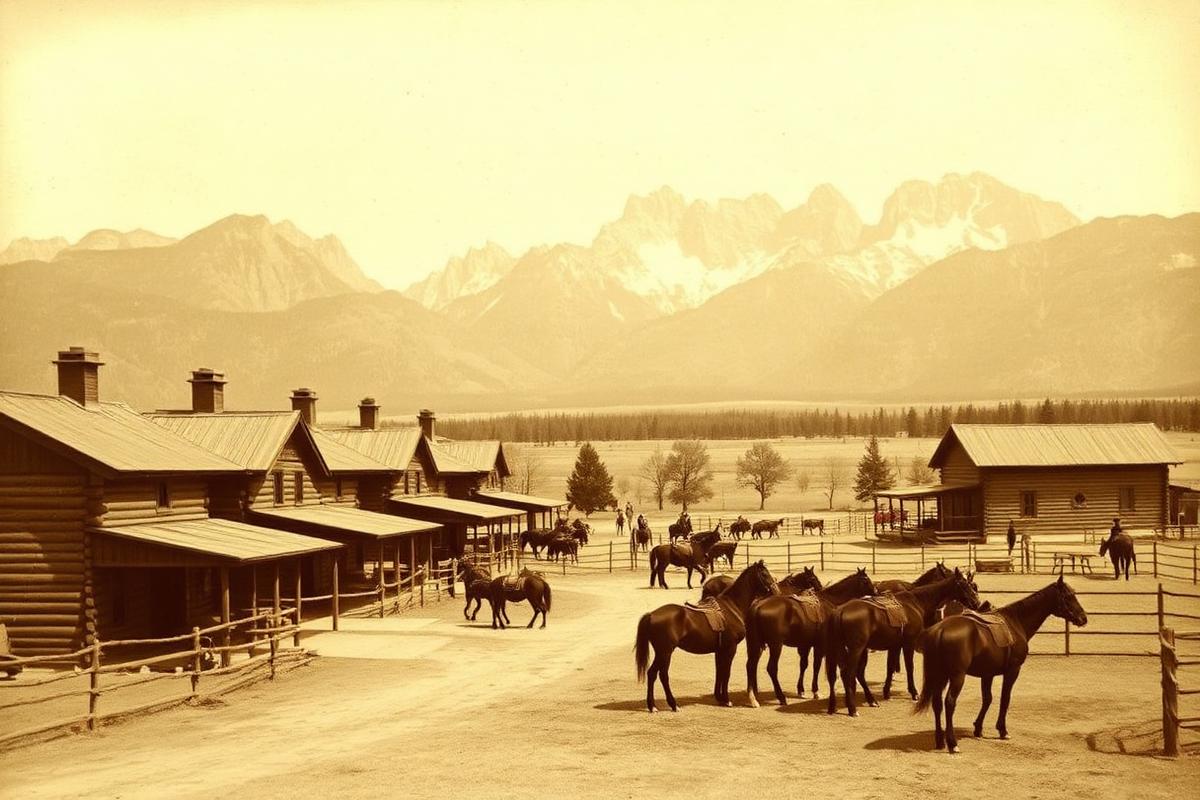
The term "dude" — western slang for an easterner unfamiliar with frontier life — dates to the 1880s. By the early 1900s, enterprising ranchers in Wyoming realized that hosting paying guests could sustain ranches where cattle and farming alone could not.
Jackson Hole was perfectly positioned. The valley's remote beauty, harsh winters, and poor soils had frustrated homesteaders — but those same qualities drew adventurous easterners. The dramatic backdrop of the Teton Range didn't hurt either.
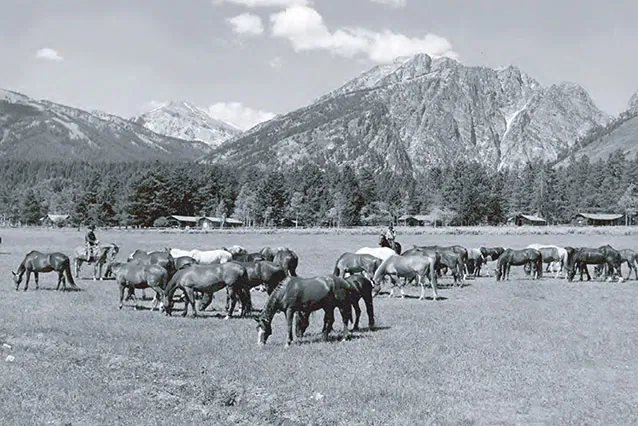
By the 1920s, Jackson Hole had become the dude ranch capital of the American West, with over a dozen guest ranches operating in the valley.
Jackson Hole's Famous Ranches
Bar BC Ranch (1912)
The most famous ranch. Founded by Struthers Burt. Hosted Hemingway, Faulkner, and Rockefeller.
JY Ranch (1908)
Founded by Louis Joy on Phelps Lake. Where Rockefeller's pivotal 1926 visit led to park expansion.
White Grass Ranch (1913)
Classic working dude ranch. Now a National Historic District within Grand Teton.
Danny Ranch (1922)
Tony Grace's intimate operation on String Lake. Accessed by horseback or canoe.
The Bar BC Ranch
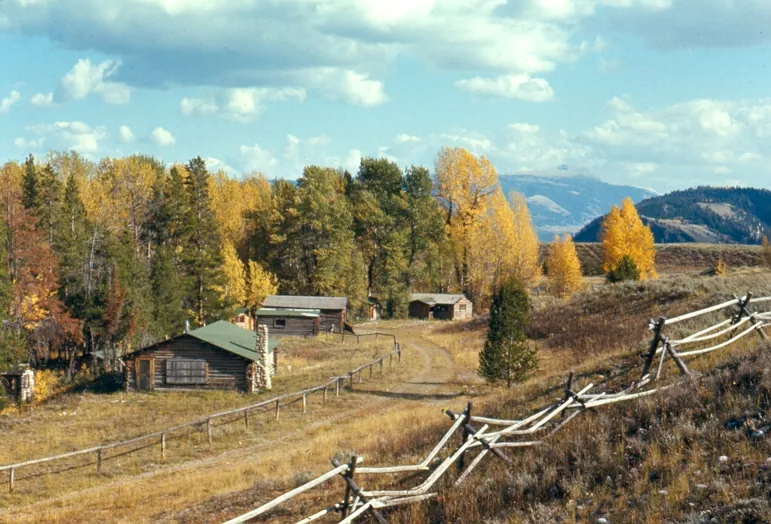
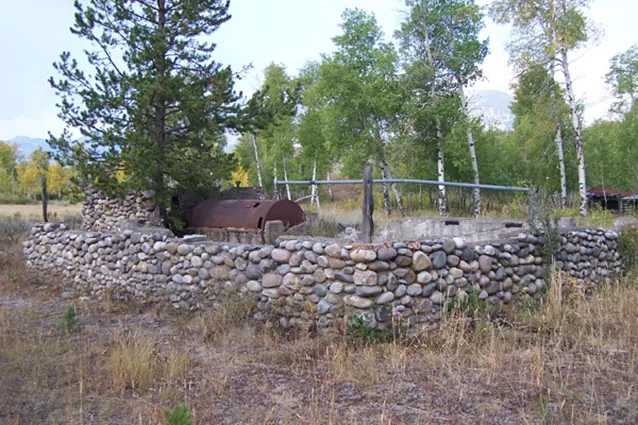
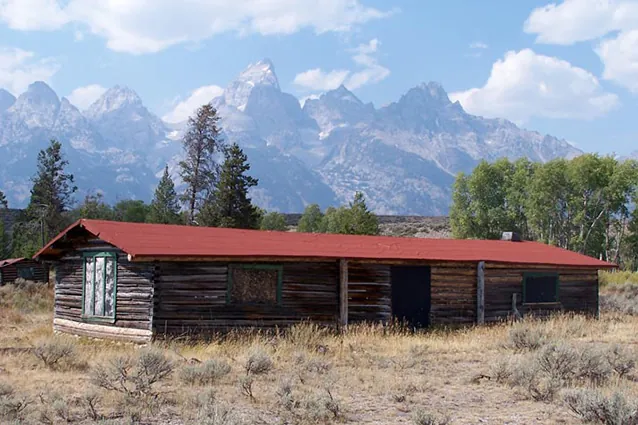
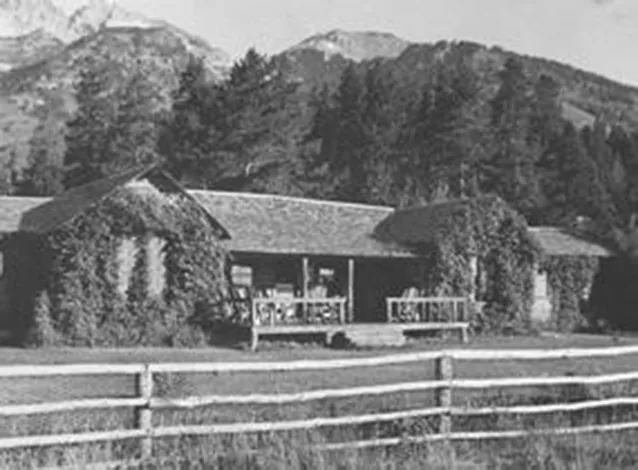
Established in 1912 by Struthers Burt and Horace Carncross, the 763-acre Bar BC sat along the Snake River with unobstructed Teton views. Burt, a Princeton-educated writer, brought eastern literary culture to the frontier.
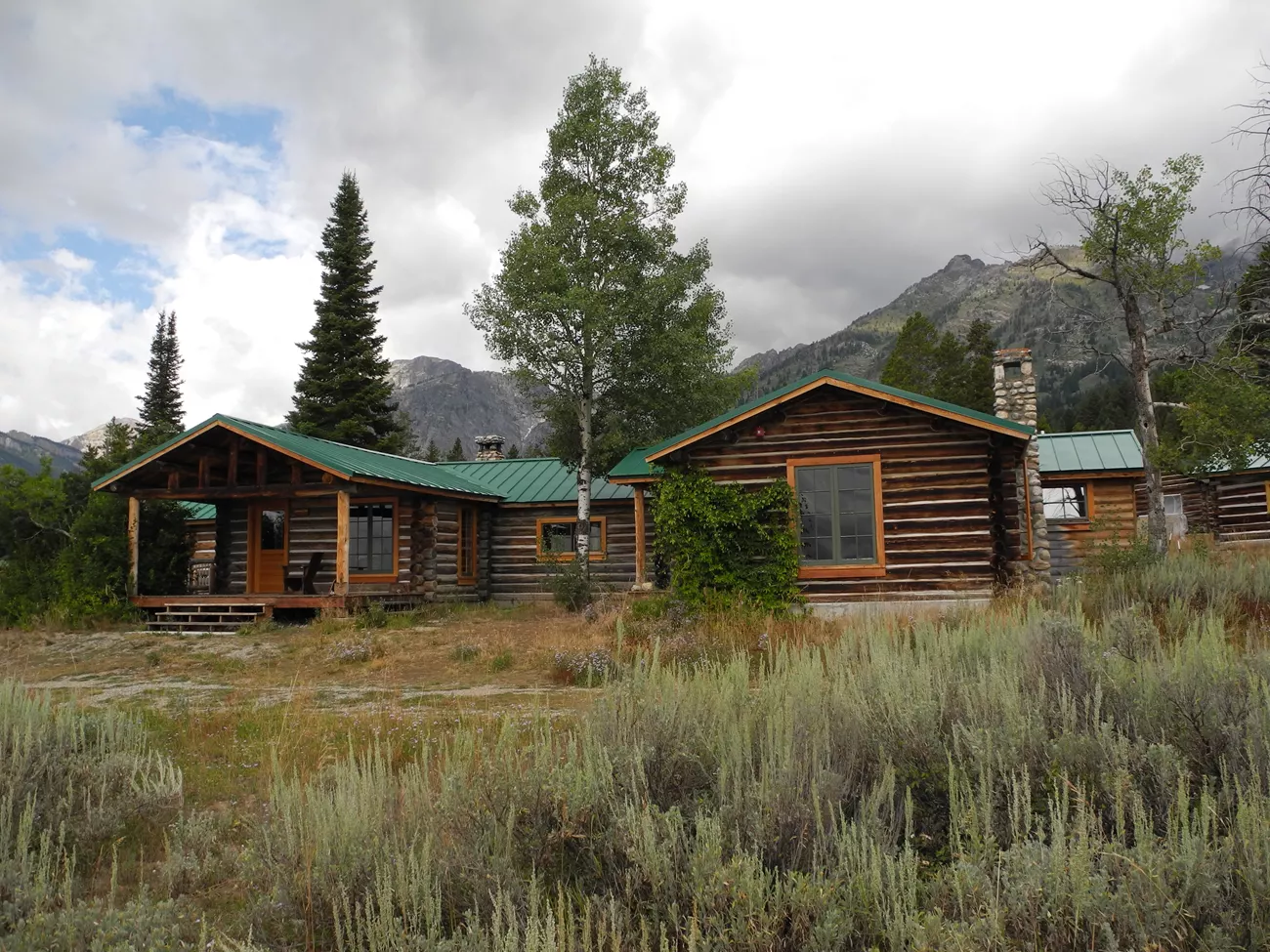
The Bar BC's historic structures still stand as a National Historic District within the park, though in deteriorating condition.
The JY Ranch
In 1906, Louis Joy filed for 160 acres on the south side of Phelps Lake. It was here that John D. Rockefeller Jr. stayed during his pivotal 1926 visit. Rockefeller was so moved he secretly began purchasing over 35,000 acres for preservation.
The JY was donated to the NPS in 2001 and is now the Laurance S. Rockefeller Preserve — one of the park's most peaceful corners.
Cultural Impact
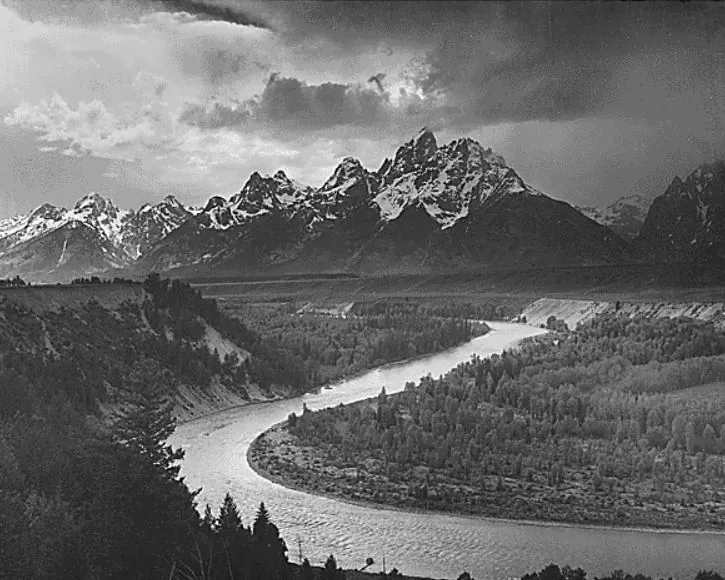
Dude ranchers became some of the strongest advocates for conservation. Many ranch operators actively supported the expansion of Grand Teton National Park, understanding that preserved wilderness was their livelihood.
Famous Guests
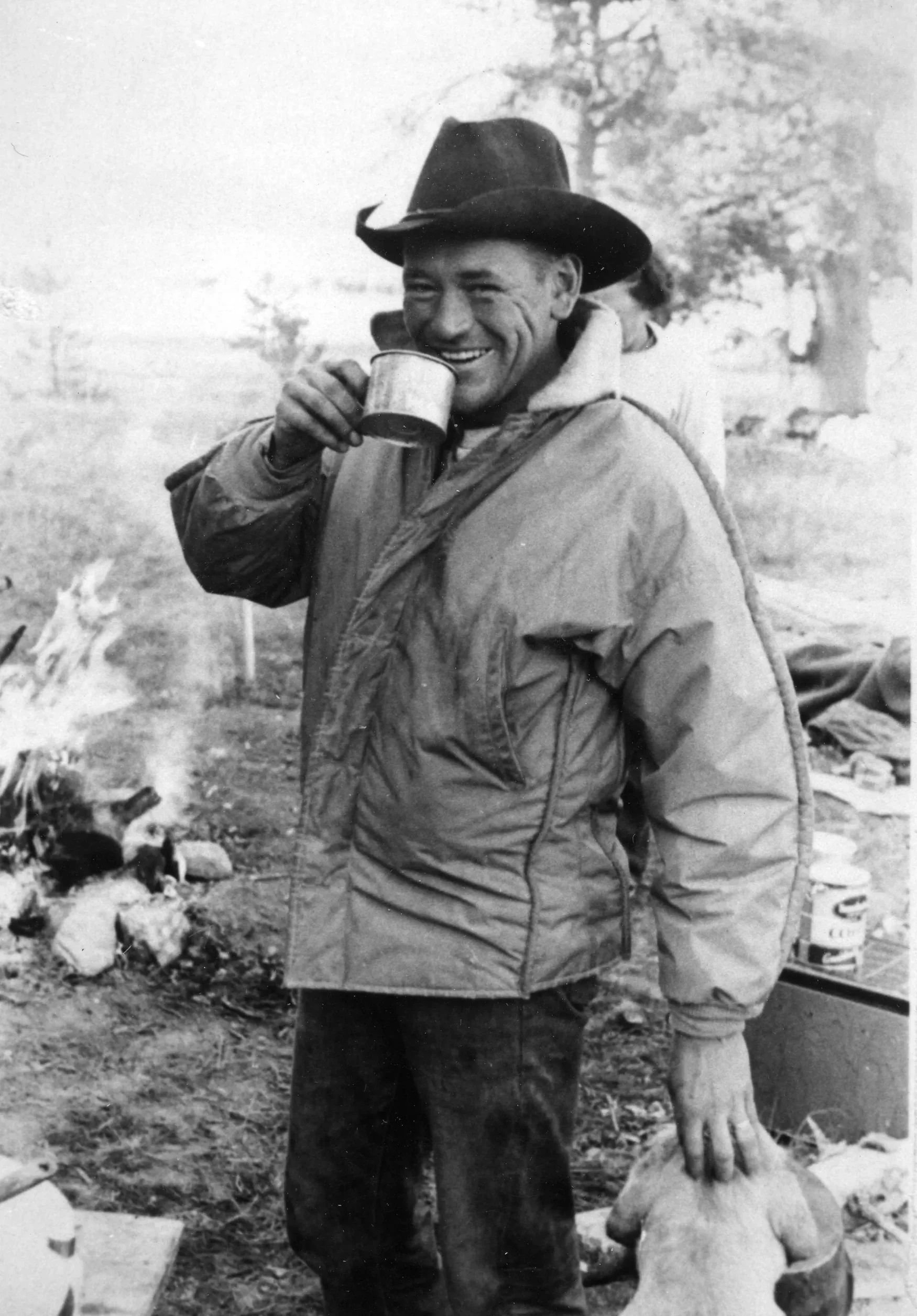
- Ernest Hemingway — Stayed at the Bar BC and wrote while fishing the Snake River.
- William Faulkner — Regular guest at the Bar BC.
- John D. Rockefeller Jr. — His 1926 stay led to 35,000 acres of park expansion.
- Owen Wister — Author of The Virginian, the first true western novel.
Decline & Transformation
The dude ranch era peaked in the 1930s–40s. Park expansion, changing travel patterns, ski resort development, and rising land values drove the decline. By the 1970s, most original ranches had closed or been absorbed into the park.
Legacy Today
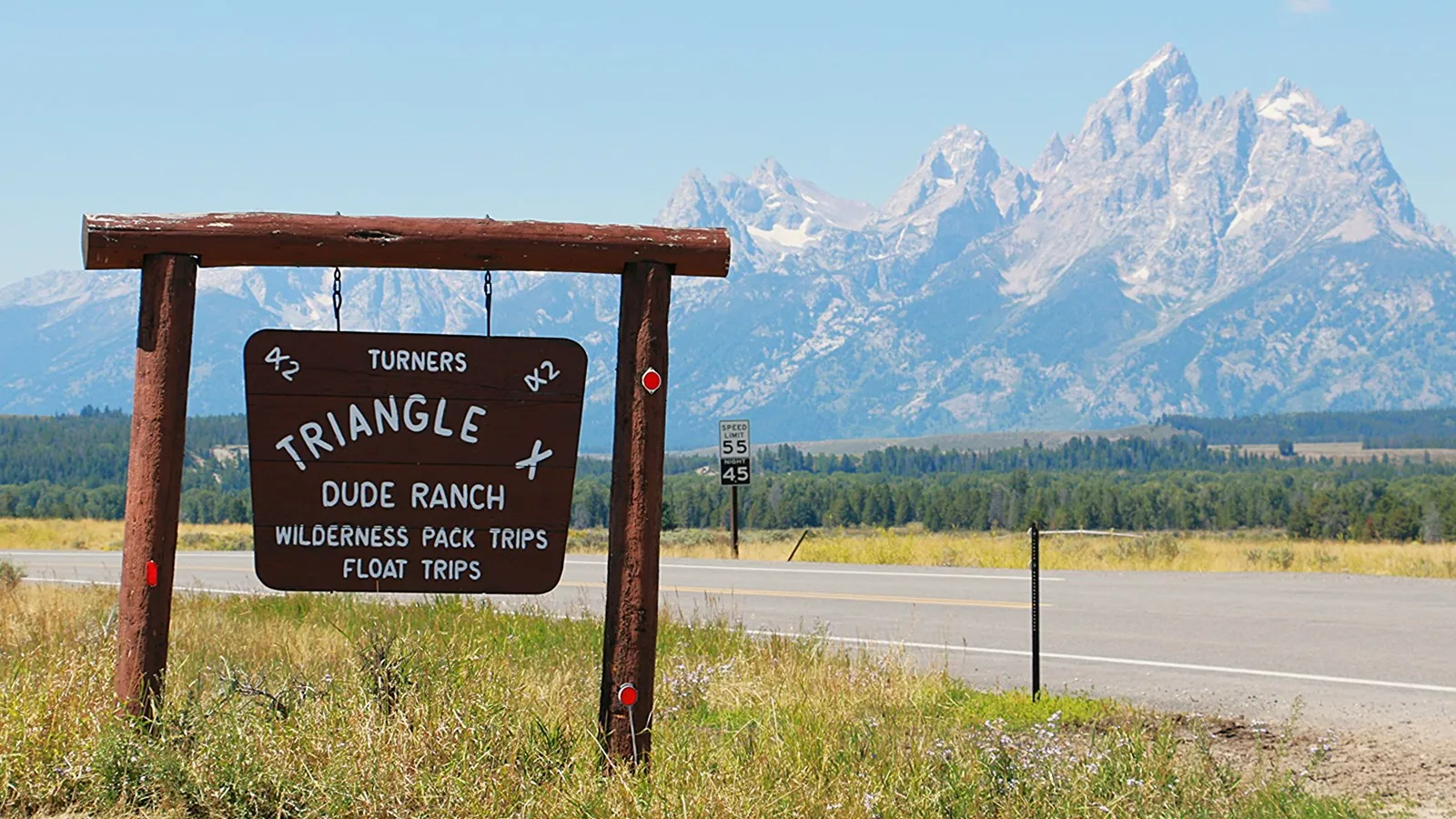
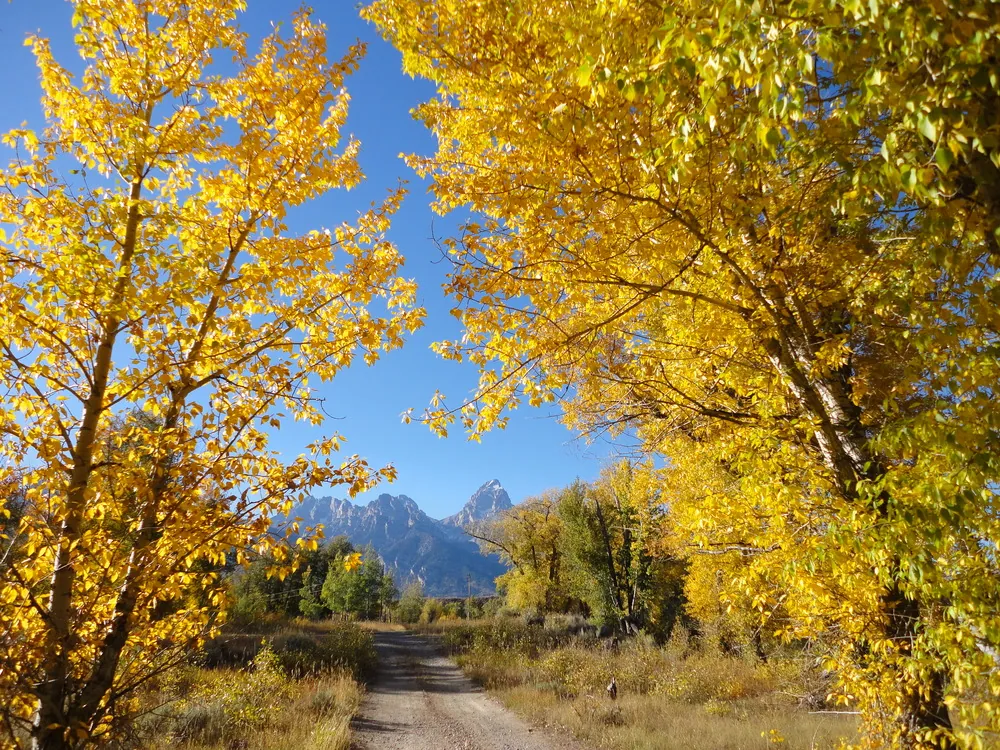
The Bar BC and White Grass Ranch Historic Districts are preserved within the park. The Laurance S. Rockefeller Preserve offers some of the finest hiking. Modern guest ranches like Triangle X continue the tradition under historic concession agreements.
The Mormon Row homesteads remain the most photographed buildings in the park.
Visiting Dude Ranch Sites Today
Rockefeller Preserve
Former JY Ranch. Easy 3-mile Phelps Lake loop. Stunning visitor center.
Bar BC Ranch Site
Historic structures near the Snake River. Interpretive signs.
White Grass Ranch
National Historic District near Death Canyon Trailhead.
Mormon Row
Iconic Moulton barns. Best photographed at sunrise.
Grand Teton is an easy day trip from Lodgepole Pines Retreat. See our Jackson Hole day trip guide and best things to do in Grand Teton.
Related History
The dude ranch story sits at the intersection of homesteading, conservation, and mountain exploration. Continue with these related articles: