 (source: nps.gov)
Jackson Hole Settlement: From Fur Trappers to Homesteaders
12 min read · Updated April 2026
First Peoples of the Valley
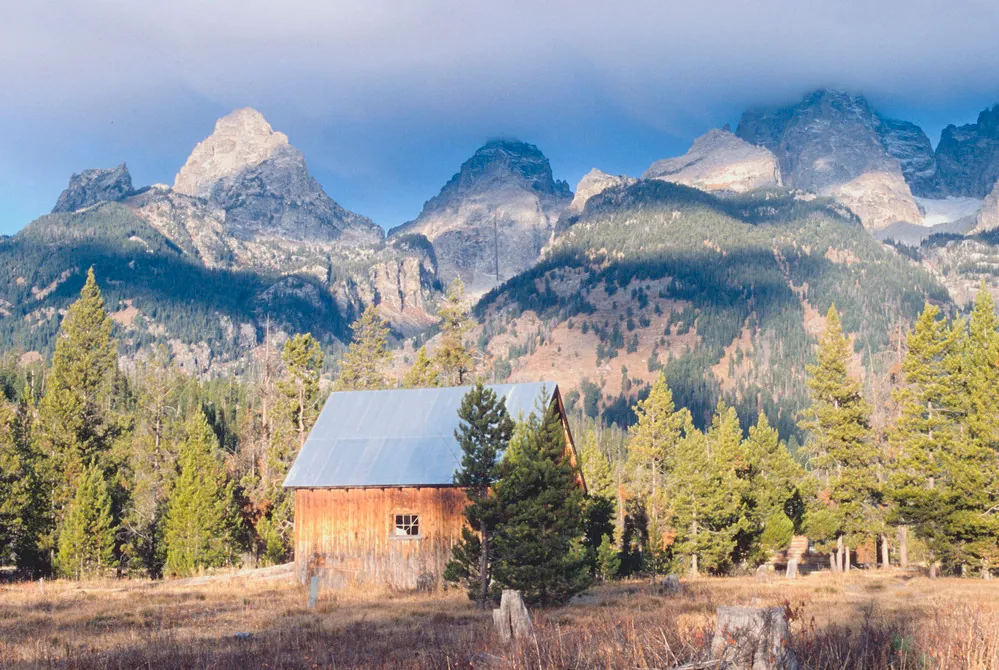
The Jackson Hole valley was home to and traveled through by multiple Native American nations. The Eastern Shoshone lived in the surrounding mountains year-round, while Bannock, Blackfeet, Crow, Gros Ventre, and Nez Perce used the valley seasonally. Archaeological evidence shows human presence dating back at least 11,000 years.
The Fur Trade Era (1807–1840)
The first documented European-American to enter Jackson Hole was John Colter in 1807–1808, a Lewis and Clark Expedition member. Throughout the 1820s–1830s, Jim Bridger, Jedediah Smith, and William Sublette trapped beaver here. The 1832 Rocky Mountain Rendezvous was held nearby in Pierre's Hole (modern Teton Valley, Idaho).
How Jackson Hole Got Its Name
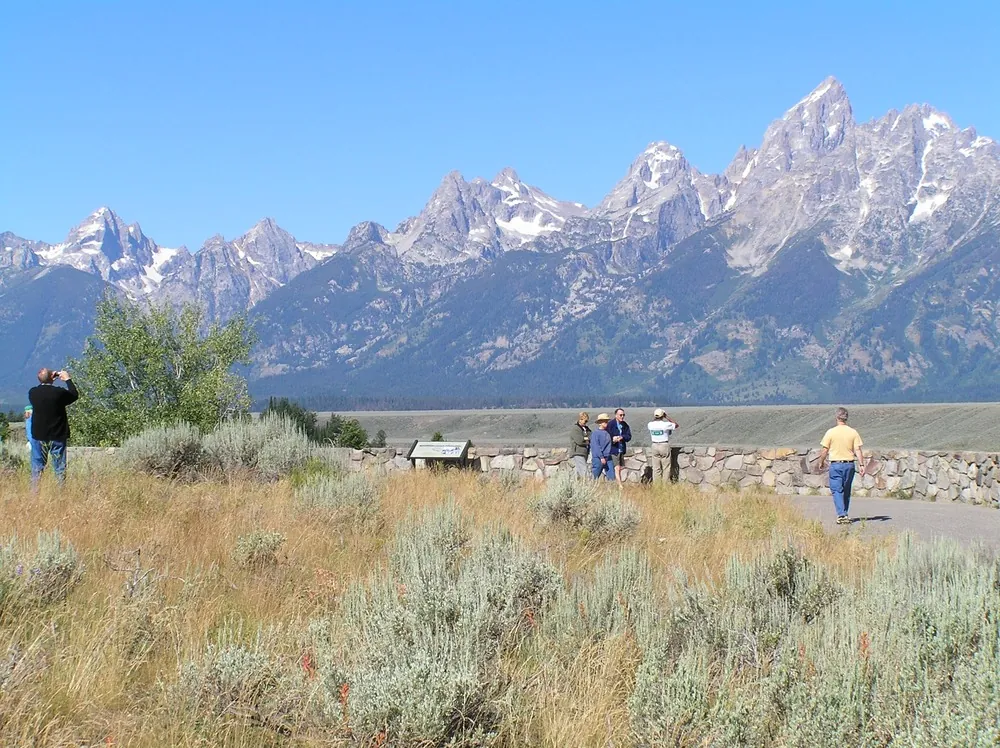
Named for David Edward "Davey" Jackson, a fur trapper who spent several winters here in the 1820s. In mountain-man parlance, a "hole" was a high-altitude valley enclosed by mountains. See our Jackson Hole day trip guide for a modern visitor's perspective.
 (source: nps.gov)
The First Homesteaders (1884–1910)
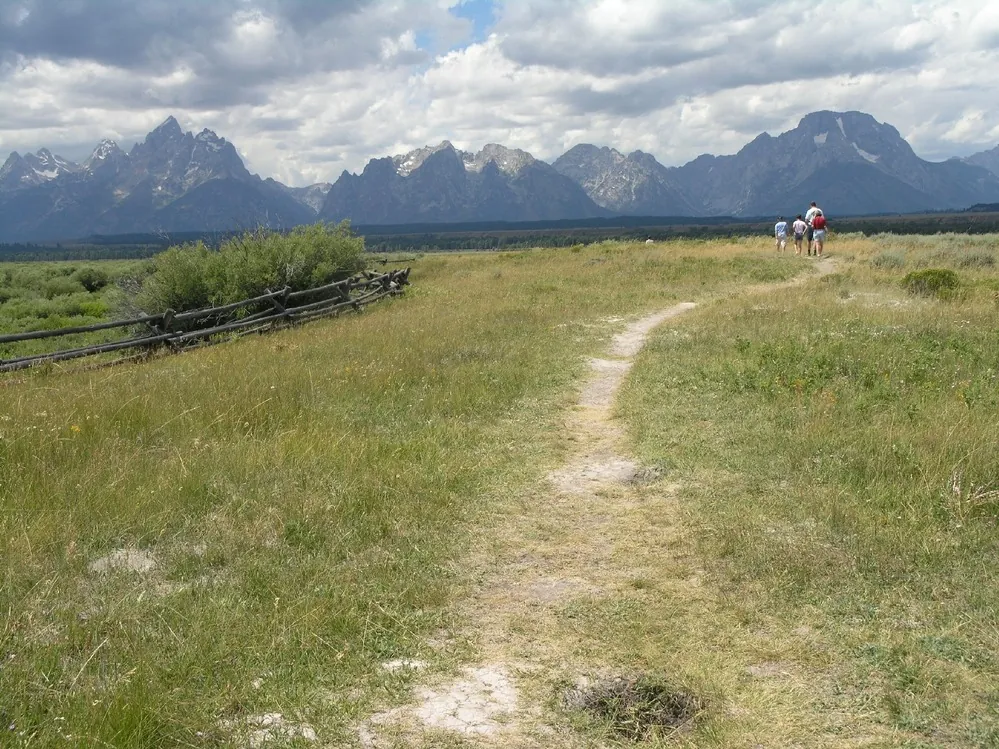
The Homestead Act of 1862 opened the way. In 1884, John Holland and John Carnes filed the first claims. By 1900, the valley had a post office, general store, and a few dozen homesteads. Winter temperatures dropped to -40°F, and the growing season lasted barely 60 days.
 (source: nps.gov)
Mormon Row & Community Building
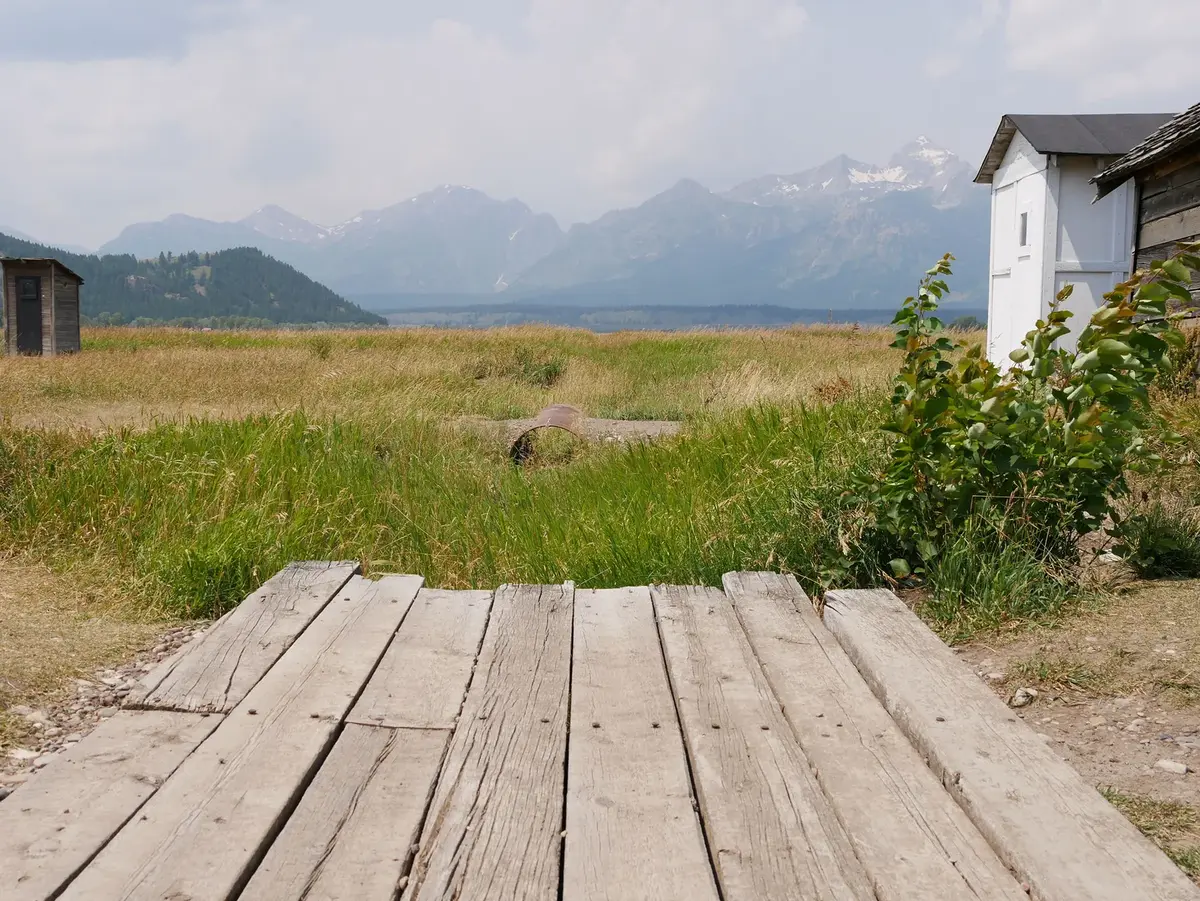
In 1896, Mormon families from Idaho established an agricultural community along what became Mormon Row — including the iconic Moulton Barns. They built shared irrigation systems, a schoolhouse, and organized community events. Today, Mormon Row is one of the most photographed locations in the national park system.
 (source: nps.gov)
The Cunningham Cabin Incident (1893)
In 1893, two horse thieves were tracked to the Cunningham Cabin by a posse of settlers. Both suspects were killed in the shootout — highlighting the lawlessness of frontier Jackson Hole. Pierce Cunningham's 1888 homestead cabin still stands along the inner park road today.
Cattle Ranching & the Open Range
By the early 1900s, cattle ranching was Jackson Hole's primary economy. The valley's rich meadow grass could fatten cattle all summer, and ranchers drove herds over Teton Pass to markets in Idaho Falls. The ranching landscape — fenced meadows, log barns, irrigation ditches — still defines Jackson Hole.
From Ranching to Tourism
In the 1910s, ranchers realized wealthy Easterners would pay to experience the "authentic West." The dude ranch era transformed failing cattle operations into guest ranches. As railroad tourism brought visitors to nearby Yellowstone, some ventured south to see the Tetons.
 (source: nps.gov)
The Fight Over Park Expansion
When Grand Teton National Park was created in 1929, it only protected the peaks — not the valley floor. John D. Rockefeller Jr. secretly purchased 35,000 acres of ranchland through a holding company. When revealed, local ranchers were furious.
In 1943, FDR created Jackson Hole National Monument by executive order. Wyoming's delegation twice passed bills to abolish it — both vetoed. The dispute was resolved in 1950, merging the monument into an expanded Grand Teton National Park.
Legacy of the Settlers
The homesteaders left a legacy visible in every barn and fence line in the park. Their determination — and the subsequent battle between preservation and property rights — shaped the park we know today. See our guide to the best things to do in Grand Teton.
 (source: nps.gov)
Visiting Historic Sites Today
Many homestead-era sites are accessible along main park roads. Start from Lodgepole Pines Retreat — Grand Teton is just a 1.5–2 hour drive.
Mormon Row Historic District
The Moulton Barns and 1896 settlement remnants. Best at sunrise.
Cunningham Cabin
1888 homestead with interpretive trail along the inner park road.
Menor's Ferry & Chapel of the Transfiguration
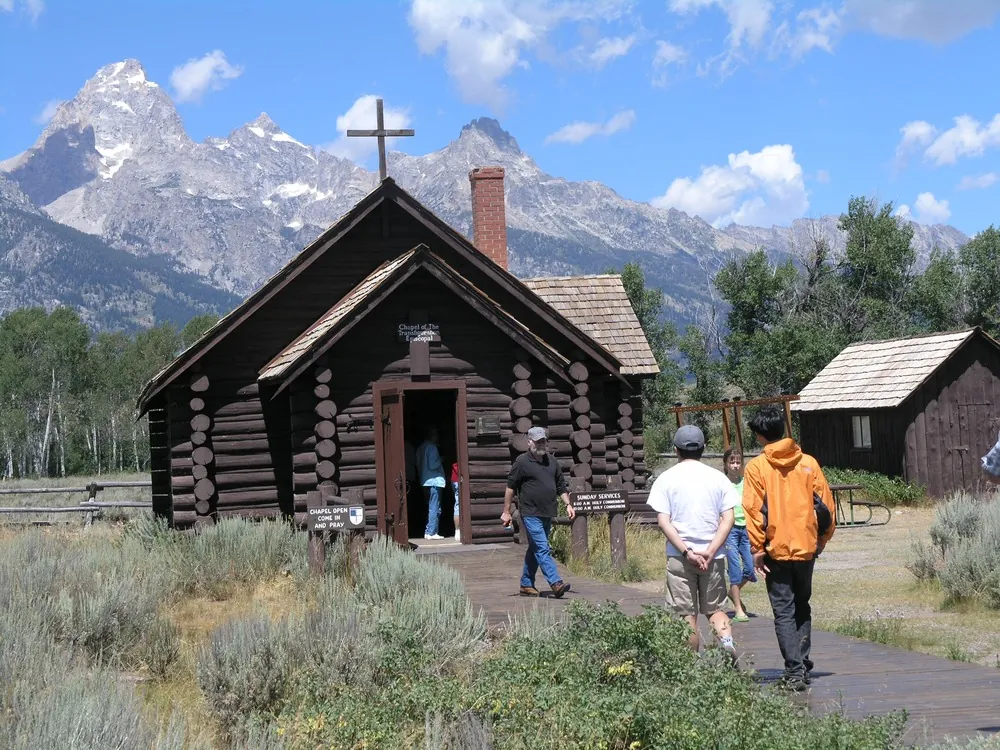
Historic river crossing and 1925 log chapel with a window framing the Tetons.
Lucas-Fabian Homestead
Visible from the road near Moose Junction. One of the earliest homesteads.
Craig Thomas Discovery Center
Main visitor center with exhibits on settlement history, geology, and wildlife.
 (source: nps.gov)