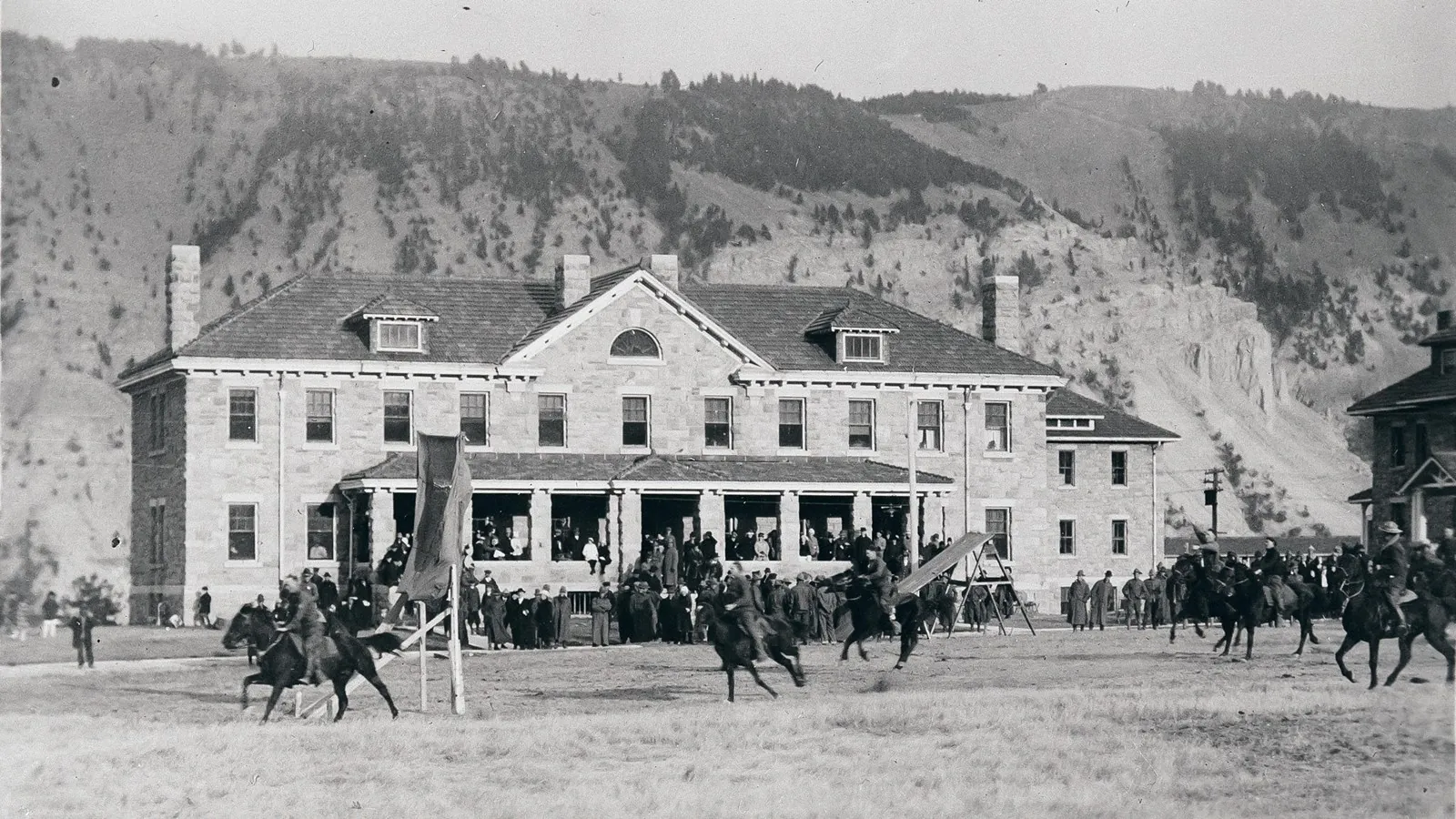
 (source: nps.gov)
The Iron Horse Meets Wonderland
When Congress created Yellowstone National Park in 1872, it was virtually inaccessible. There were no roads, no hotels, no organized way for anyone to visit. The railroads changed everything within two decades.
They transformed Yellowstone from a remote abstraction into America's premier tourist destination — complete with grand hotels, orchestrated sightseeing tours, professional guides, and sophisticated advertising campaigns that reached millions.
The Northern Pacific Railroad
The Northern Pacific Railroad was instrumental in creating Yellowstone. Railroad lobbyist Jay Cooke aggressively promoted the park idea in Washington, recognizing that a protected national park would generate a steady stream of wealthy eastern travelers buying transcontinental rail tickets.
When the Northern Pacific completed its main line through Montana in 1883, it established Gardiner as the park's first rail terminus. The Roosevelt Arch, dedicated by President Theodore Roosevelt in 1903, still bears the inscription "For the Benefit and Enjoyment of the People."
The Grand Hotels of Yellowstone
The railroads didn't just bring people to Yellowstone — they built the places where visitors stayed. These structures became icons: Old Faithful Inn (1904), Lake Yellowstone Hotel (1891), Mammoth Hot Springs Hotel (1911), and the original Canyon Hotel. Explore their full stories in our Historic Lodges guide.
Stagecoach Tours & the Grand Loop
Railroad companies organized the entire in-park experience — the "Grand Tour" was a five-to-seven-day guided circuit by horse-drawn stagecoach following the Grand Loop Road. At its peak, Yellowstone's stagecoach fleet numbered over 300 vehicles. The same loop road visitors drive today from Island Park follows the route those stagecoaches pioneered.
Marketing "Wonderland"
The Northern Pacific coined Yellowstone's famous nickname: "Wonderland." Their marketing campaigns — lavish guidebooks, posters, and magazine advertisements — were the first large-scale tourism marketing for any national park. By the early 1900s, railroad promotional budgets exceeded $100,000 annually (roughly $3 million today).
Union Pacific & the West Entrance
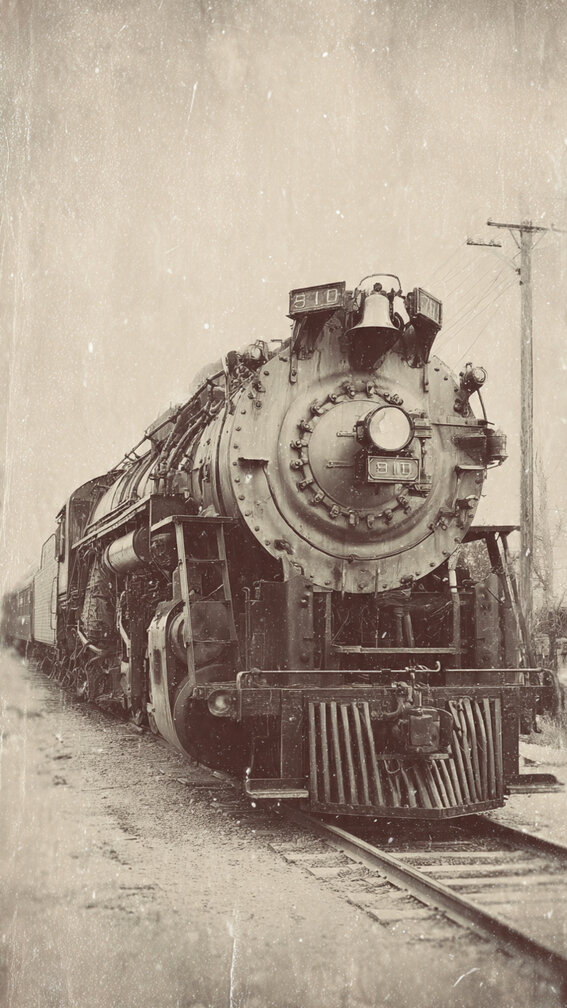
The Oregon Short Line reached West Yellowstone in 1908, creating the gateway that most visitors use today. The rail line through eastern Idaho passed through what is now Island Park country. At its peak, West Yellowstone station handled over 30,000 passengers per summer season.
The Automobile Replaces the Train
Automobiles were banned from Yellowstone until 1915. In that first year, just under 1,000 automobiles entered the park. By 1930, that number had exploded to over 190,000 vehicles annually. The automobile also democratized Yellowstone — middle-class families could now visit for a fraction of the cost of railroad Grand Tours.
The Railroad's Lasting Legacy
Even though trains no longer run to Yellowstone, the railroad era's fingerprints are everywhere: the Grand Loop Road, Old Faithful Inn, the concession system, gateway towns like West Yellowstone, and the very concept of the "national park vacation."
In Island Park, the railroad's legacy lives on in Harriman State Park — the former Railroad Ranch owned by Union Pacific chairman Averell Harriman. It's one of the best day trips from Island Park.
Experience the Railroad Era Today
- Old Faithful Inn — Walk through the legendary log lobby. Open mid-May through mid-October.
- Lake Yellowstone Hotel — Afternoon tea or dinner in the restored Colonial Revival dining room.
- Roosevelt Arch (Gardiner) — The 1903 stone arch at the North Entrance.
- Yellowstone Historic Center (West Yellowstone) — Housed in the original Union Pacific depot.
- Harriman State Park (Island Park) — The former Railroad Ranch, 20 minutes from our cabin.