Where & When
Yellowstone & Grand Teton Wildlife Guide
The best valleys, the best hours, and the safest distances for spotting Yellowstone's legendary megafauna — bison, grizzlies, wolves, moose, and more.
Lamar Valley — "America's Serengeti"
The single best wildlife valley on Earth at this latitude. Wolves, grizzlies, black bears, bison herds in the thousands, pronghorn, and bighorn sheep. Drive at first light or last light.
Hayden Valley
A close second to Lamar — the easiest place in the park to see massive bison herds. Grizzlies hunt elk calves here in late May and June.
Antelope Flats & Mormon Row (Grand Teton)
The best place in the southern ecosystem for bison, pronghorn, and coyotes — all in front of the Tetons.
Oxbow Bend & Willow Flats
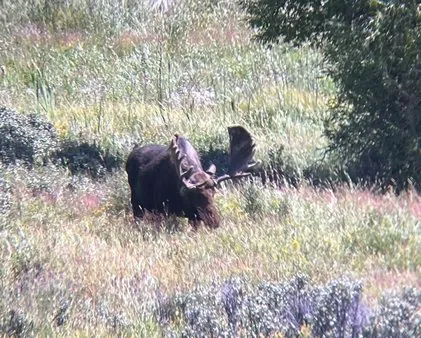
Moose hotspot in Grand Teton. Early morning along the Snake River pulls — bring binoculars.
Pelican Valley
The densest grizzly habitat in the Lower 48. Day-use only and groups of 4+ recommended; do not underestimate this place.
Best Times of Year
May–June: bear cubs and elk calves. September–October: bull elk rut and bugling. Winter: wolves are easiest to spot against snow in Lamar.
Best Times of Day
Wildlife is most active in the first and last hour of daylight. Mid-day driving is mostly bison and pronghorn — the predators are bedded down.
Safety Distances
Stay 100 yards (300 ft) from bears and wolves. Stay 25 yards (75 ft) from bison, elk, and moose. Carry bear spray on your hip in the backcountry.
What to Bring
Binoculars (8x42 minimum), a 300mm+ telephoto lens, a spotting scope if you have one, and patience. Wildlife watching is a long-game pursuit.
Ready for Your Adventure?
Book your stay at Lodgepole Pines Retreat and experience everything Island Park and Yellowstone have to offer.
Book Your Stay