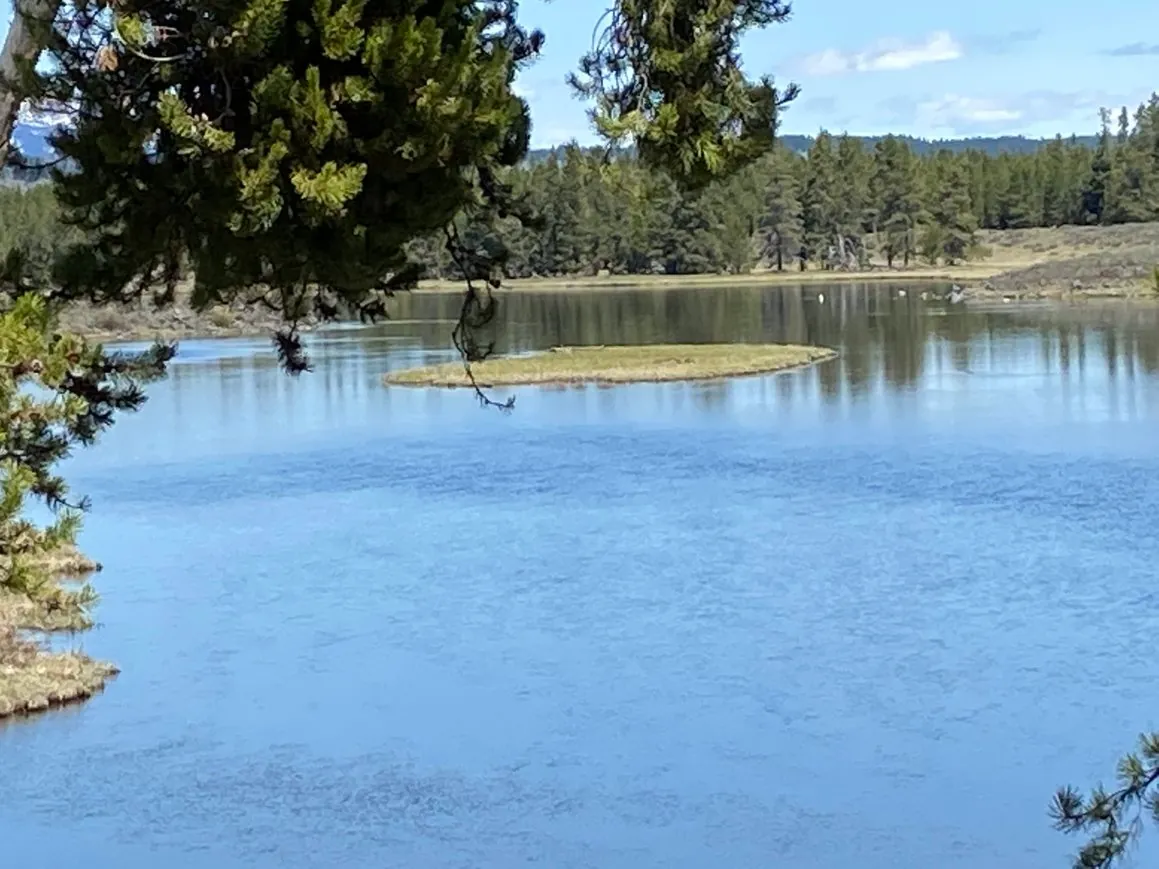
The River That Built Modern American Fly Fishing
The Henry's Fork of the Snake River runs roughly 127 miles from Big Springs at the foot of the Yellowstone Plateau down through the Snake River plain to its junction with the South Fork. The 25-mile stretch from Box Canyon through Last Chance and across the meadows of Harriman State Park is regarded by many anglers as the single most influential fly fishing water in America.
Three things make it special: spring-fed flows that stay cold and steady year-round; an enormous biomass of aquatic insects feeding large, well-fed rainbow trout; and a half-century of conservation policy that turned the river into a living laboratory for catch-and-release management.
The Railroad Ranch Era (1902–1977)
From 1902 to 1977, the heart of the Henry's Fork — the meadow stretch through what is now Harriman State Park — was a private retreat owned by the Union Pacific Railroad's Harriman and Guggenheim families. Access was limited to invited guests of the ranch. The river was lightly fished and famously well-managed, and the trout grew large.
When the Harrimans donated the 16,000-acre ranch to Idaho in 1977, that private water became public — and the modern fly fishing era on the Henry's Fork began. Read the full story in our article on the Harriman Railroad Ranch.
Catch-and-Release Becomes the Norm
By the early 1980s, anglers were pouring onto the newly-public Railroad Ranch stretch. Catch rates fell. In response, Idaho Fish & Game — pushed by an organized local angling community led by the Henry's Fork Foundation (founded 1984) — adopted some of the strictest catch-and-release rules in the West: barbless hooks, no bait, and no harvest on the Ranch stretch. Within a decade, fish counts and average size rebounded. The Henry's Fork became Exhibit A in the national argument for catch-and-release as a management tool.
The Famous Hatches
The Henry's Fork is most famous for its insect hatches — among the most prolific in North America. Knowing the hatch calendar is the difference between a hard day and the day of a lifetime.
Henry's Fork Hatch Calendar (general)
- • Salmonfly: Late May through mid-June (Box Canyon)
- • Green Drake: Mid-June to early July — the legendary hatch
- • Pale Morning Dun (PMD): Mid-June through August
- • Caddis: All summer, especially evenings
- • Tricos: Late July through September mornings
- • Mahogany & Baetis: September into October
Hatch timing shifts year-to-year with weather. Always check with a local fly shop the day you fish.
The Key Stretches of the River
Each section of the Henry's Fork has its own character, regulations, and crowd:
- Box Canyon: Pocket water and rainbows holding behind boulders. Best in the salmonfly hatch.
- Last Chance: The classic flat-water dry-fly stretch immediately upstream of Harriman.
- Harriman / Railroad Ranch: Catch-and-release only. Glassy meadow water, the most famous and most technical fishing in the West.
- Pinehaven & Riverside: Lower-pressure water with good caddis and PMD action.
- Below Mesa Falls: Bigger water, fewer anglers, more variety.
The Fly Shops That Built the Sport
Last Chance, Idaho — the tiny crossroads town just north of Harriman — became one of the most important fly fishing destinations in the world largely because of two shops: Henry's Fork Anglers (founded 1979 by Mike Lawson) and TroutHunter (founded 2004). Both shops have shaped fly design, leader systems, and modern dry-fly technique. A morning conversation with the shop staff about what's hatching is part of the experience.
The Henry's Fork Foundation
Founded in 1984, the Henry's Fork Foundation is one of the most effective river-protection organizations in America. The Foundation manages a long-term scientific monitoring program, advocates for water-use policy, and has been central to the river's continued health through droughts, sediment events, and political pressure on water rights. Visiting anglers are encouraged to become members.
Planning a Trip
Lodgepole Pines Retreat sits roughly 15 minutes by car from Last Chance and the Harriman boundary — making it one of the closest non-RV stays to the famous water. Most guests fish in the morning, return for lunch and a midday rest, and head out again for the evening rise. See our companion guides for trip-planning detail: