America's Serengeti
Wildlife Viewing
From moose visiting the cabin property to wolves in Lamar Valley, the Greater Yellowstone Ecosystem is one of the last intact temperate ecosystems on Earth — and one of the best places for wildlife viewing in North America.
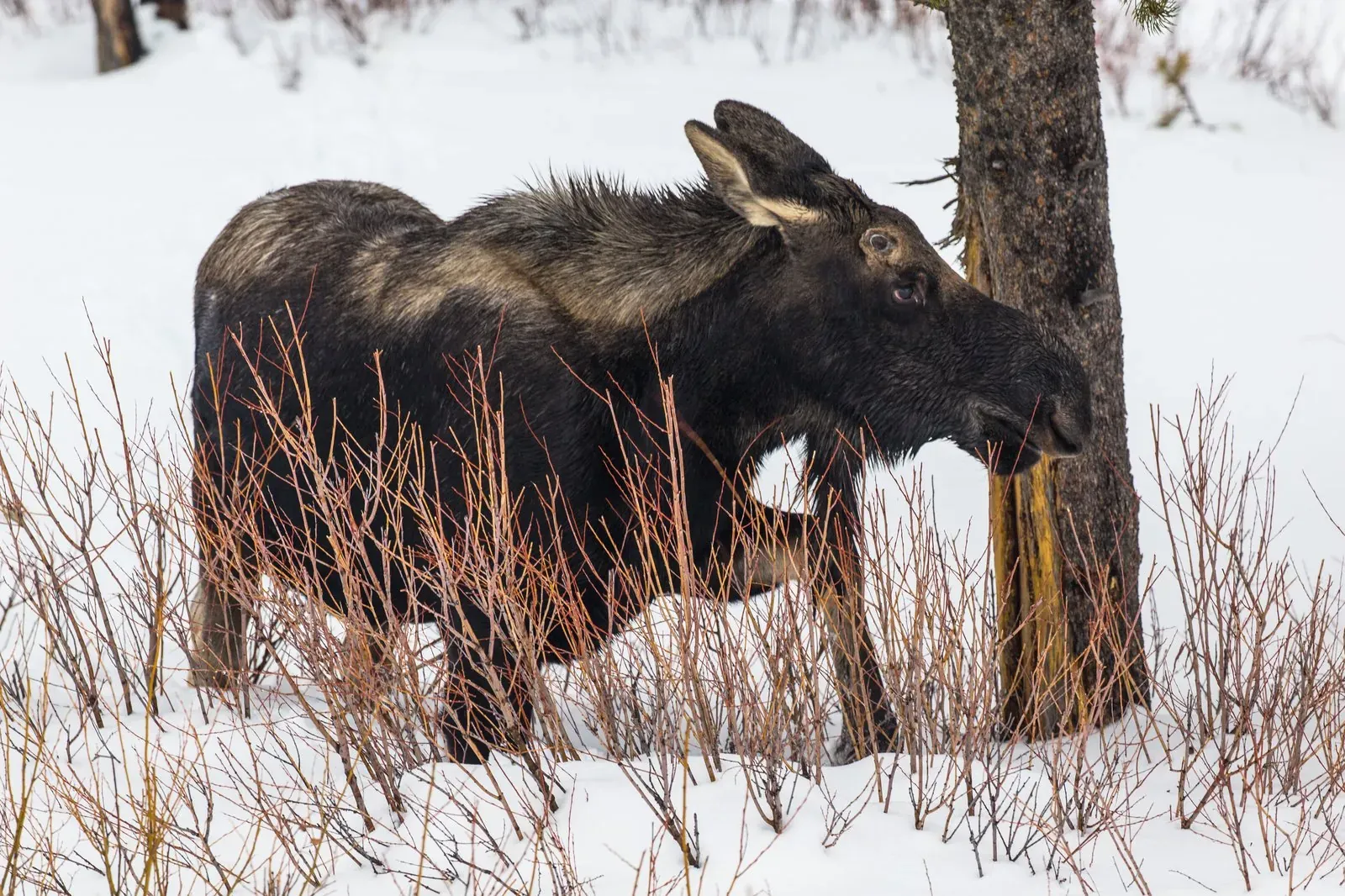
Moose
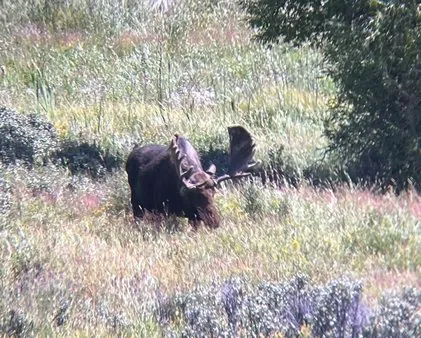
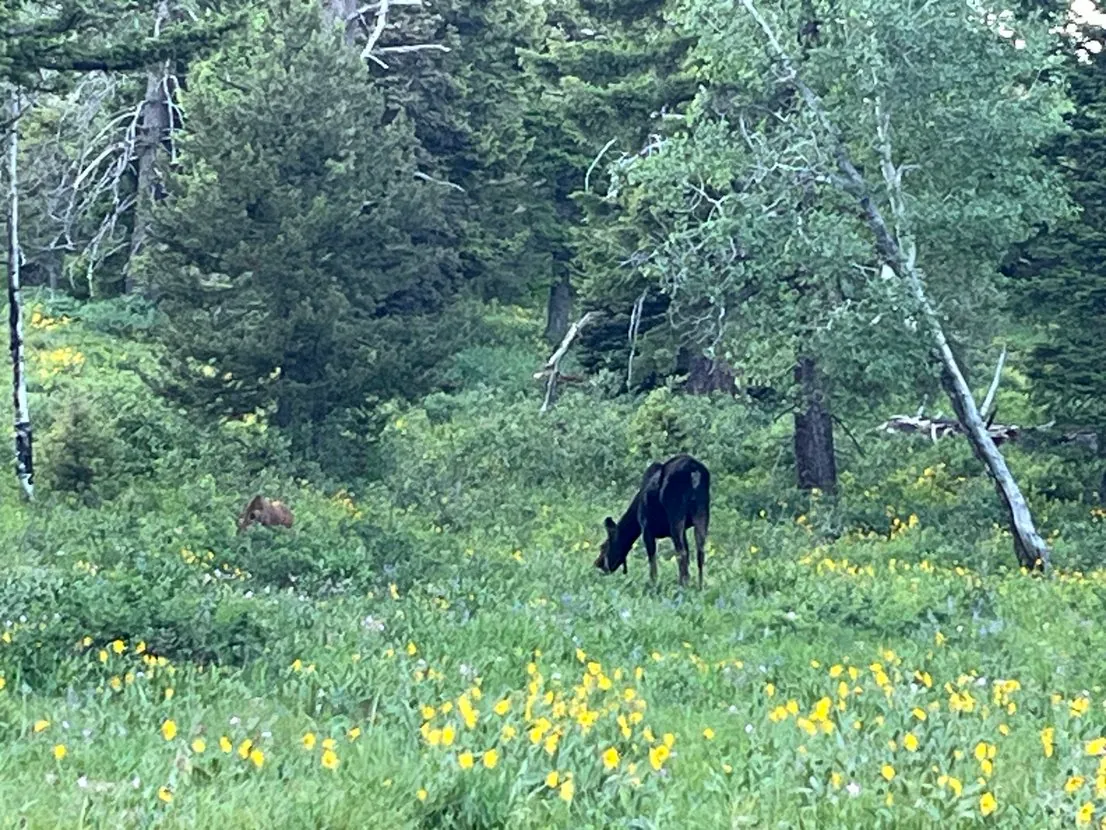
On-site!Moose regularly visit the cabin property! These magnificent animals browse on willows along the Henry's Fork and in meadows throughout Island Park.
On the property, Harriman State Park, Henry's Fork meadows. Moose are solitary — you'll typically see individuals or a cow with calves.
Keep 75+ feet away. Moose are unpredictable and can charge. Never approach a cow with calves.
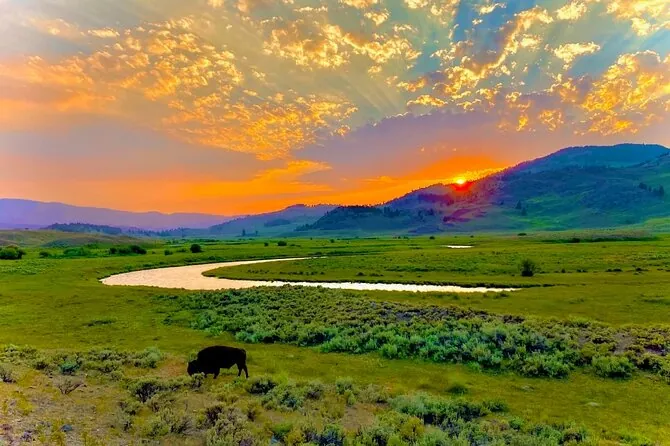
Bison
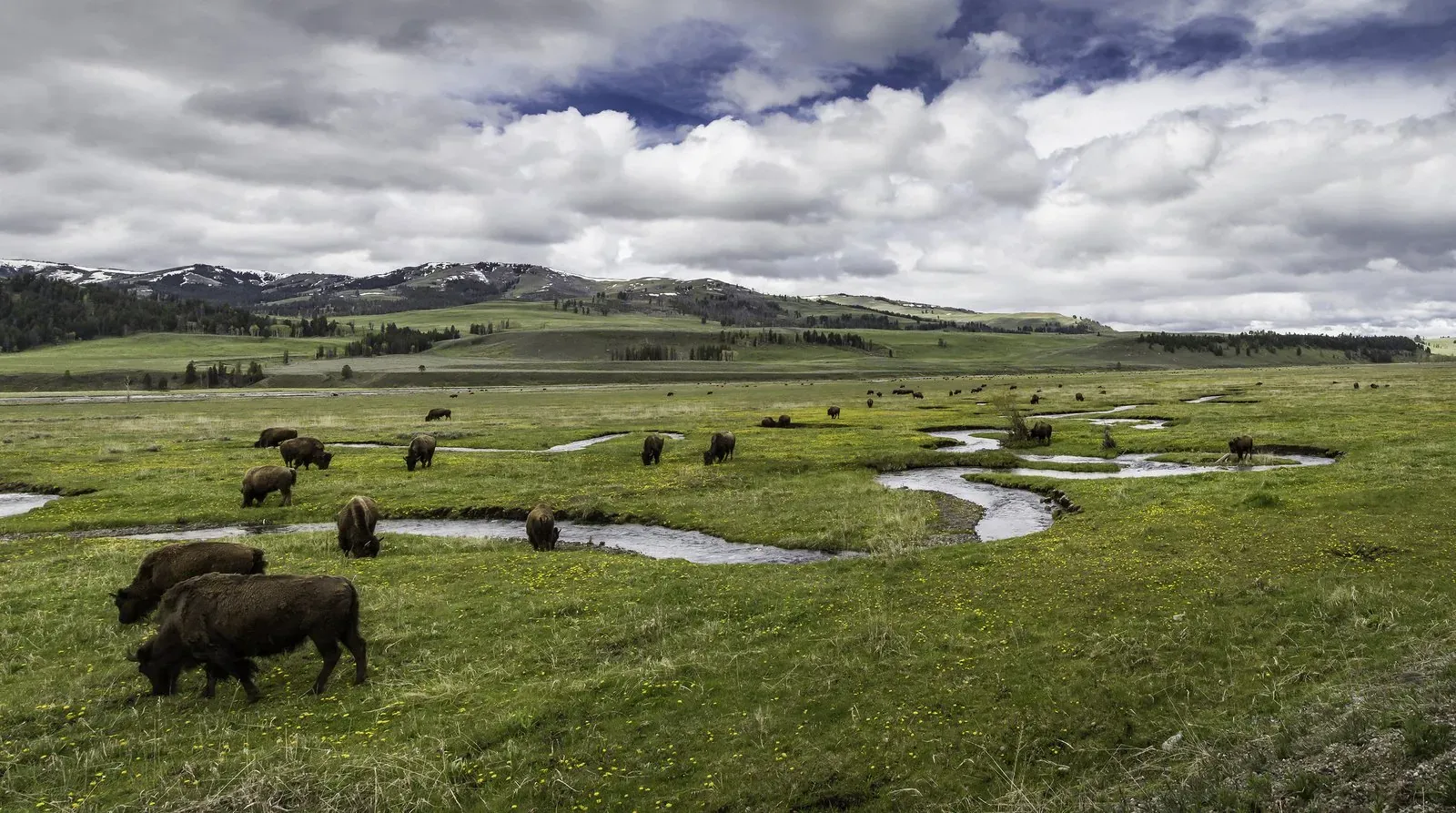
YellowstoneYellowstone is home to the largest free-roaming bison herd in the US — about 5,000 animals. Hayden Valley and Lamar Valley are the best viewing areas.
Hayden Valley, Lamar Valley, and along roads throughout Yellowstone. Bison jams (traffic stops) are common in summer.
Stay 75+ feet away. Bison can run 35 mph. More people are injured by bison than any other animal in Yellowstone.
Grizzly & Black Bears
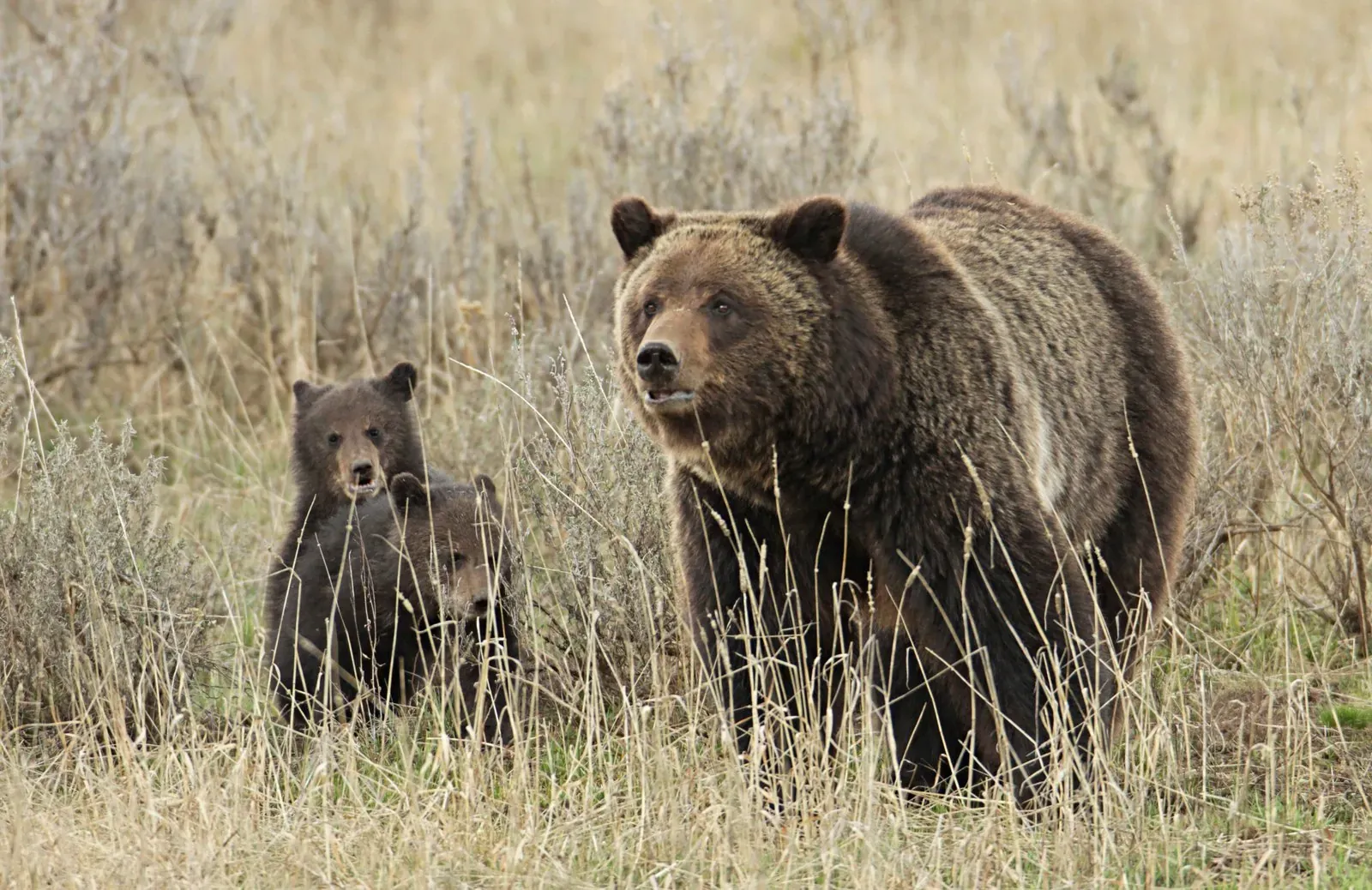
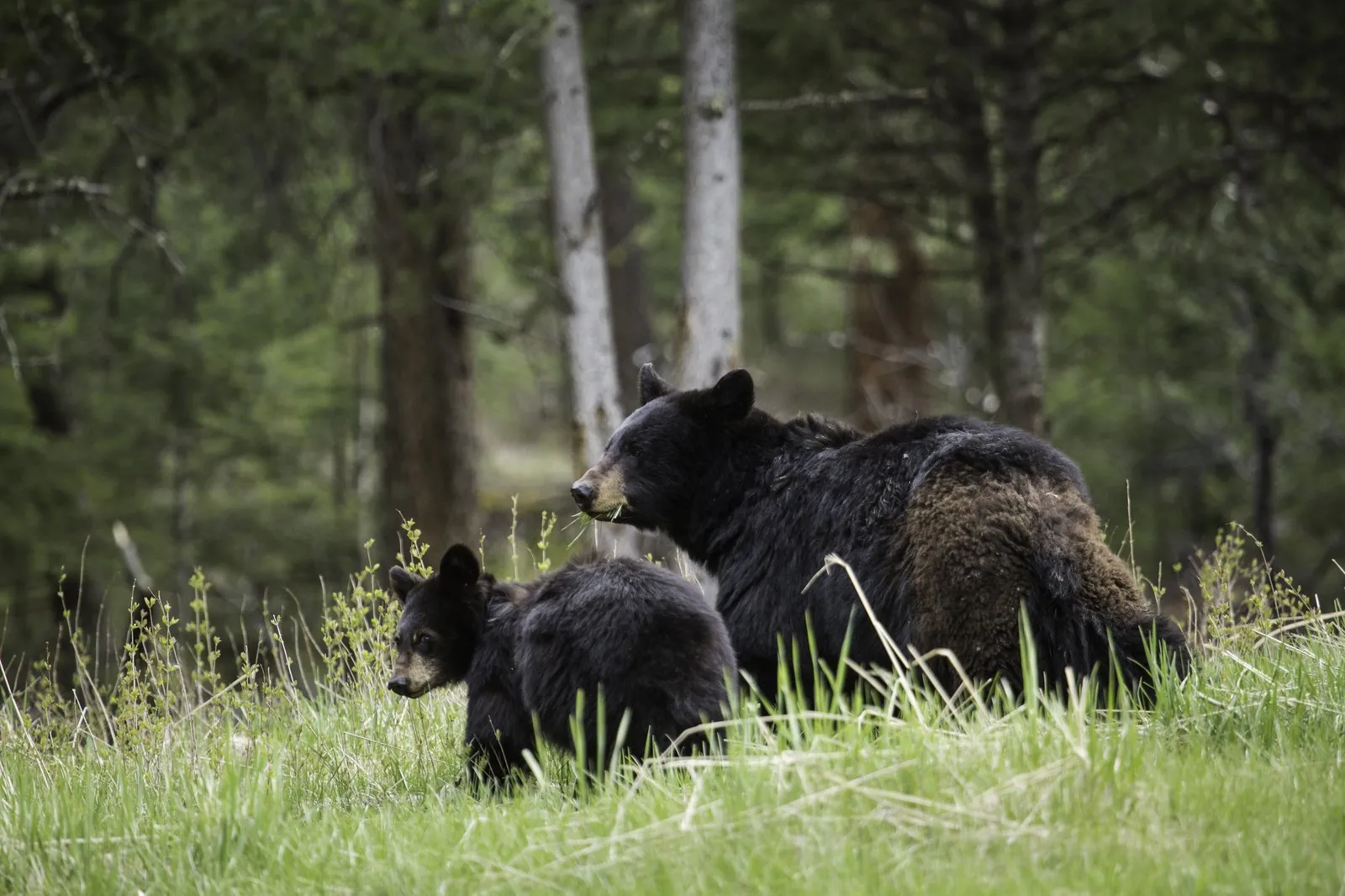
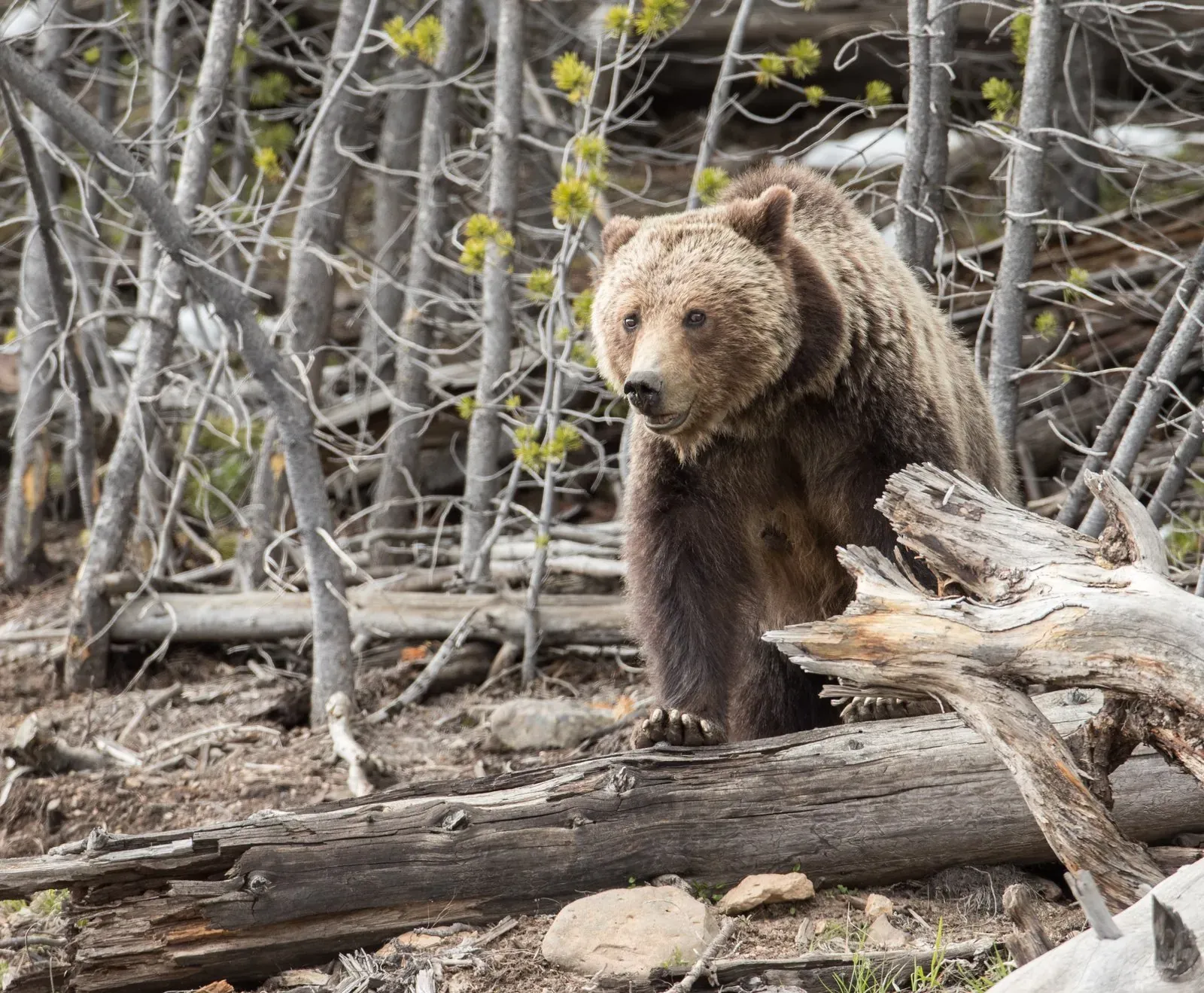
Spring–FallYellowstone has approximately 700 grizzly bears and many black bears. Spring and early summer are the best times to spot bears.
Hayden Valley, Lamar Valley, and Dunraven Pass in Yellowstone. Black bears are occasionally seen in Island Park forests.
Stay 300+ feet away. Carry bear spray and know how to use it. Store food properly.
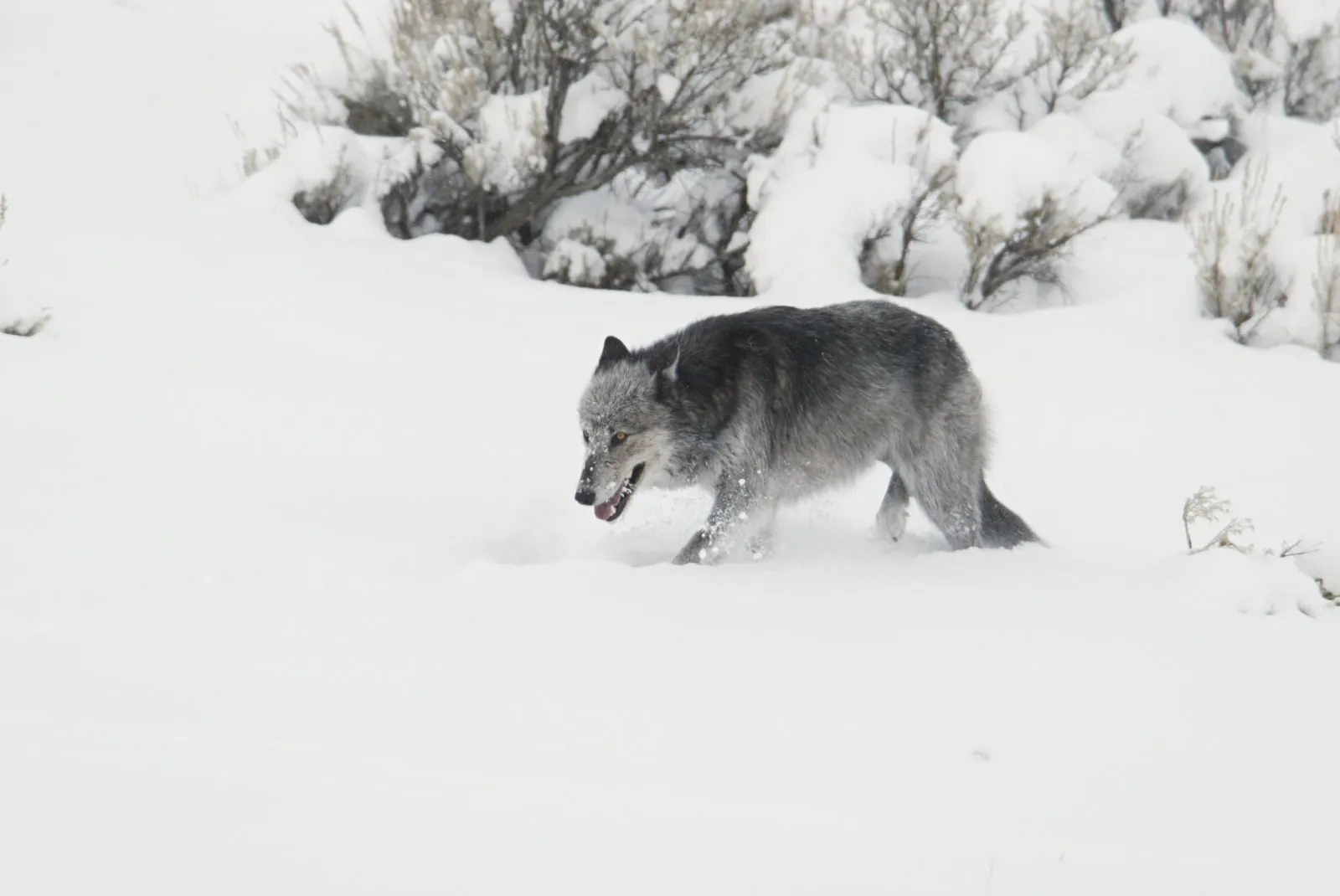
Wolves
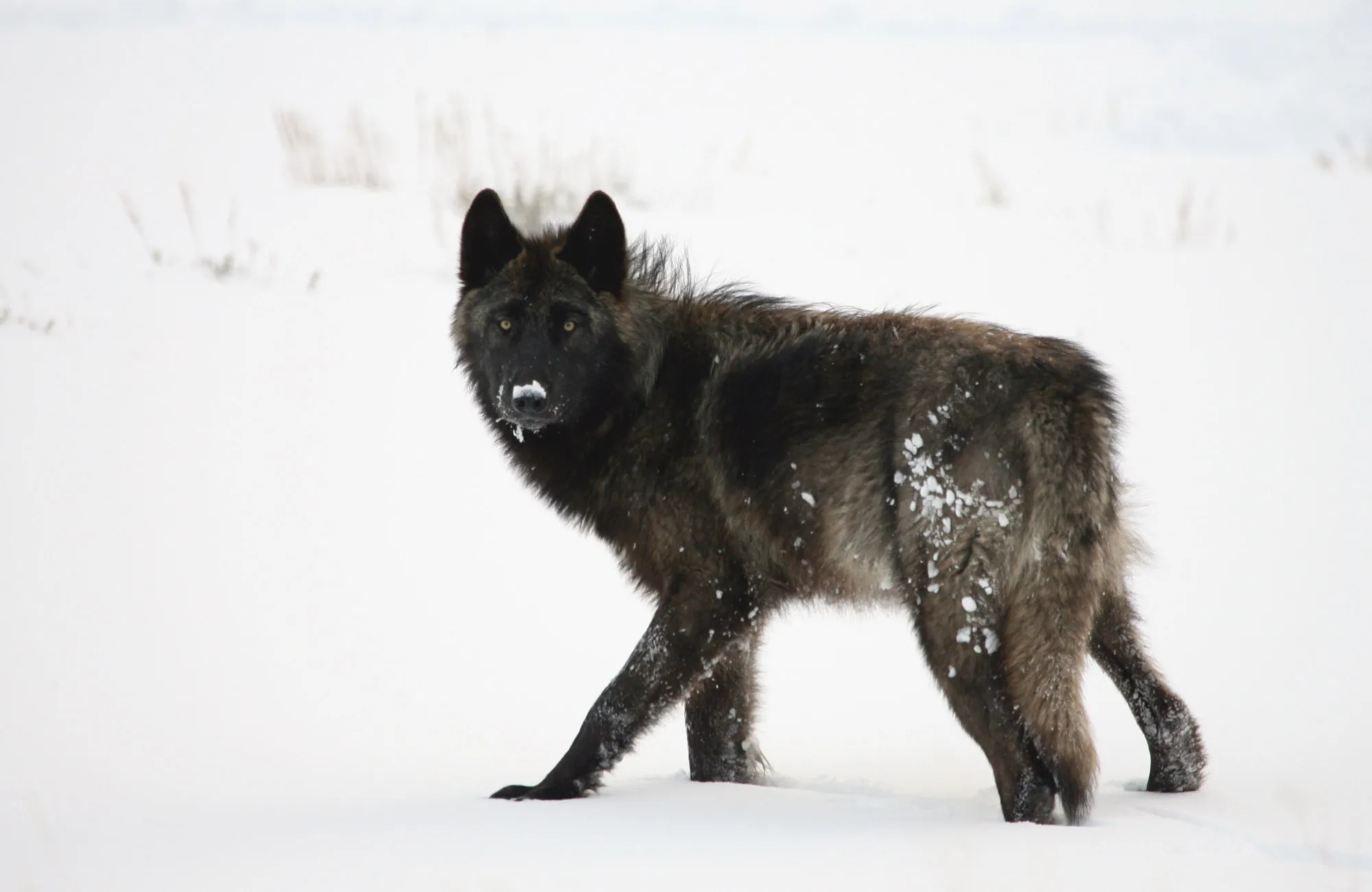
Lamar ValleyReintroduced to Yellowstone in 1995, wolves have become one of the park's most sought-after wildlife sightings. Lamar Valley is the best place in the world to see wild wolves.
Lamar Valley, especially at dawn and dusk. Bring a spotting scope or binoculars.
Stay 300+ feet away. Wolves are generally wary of humans.
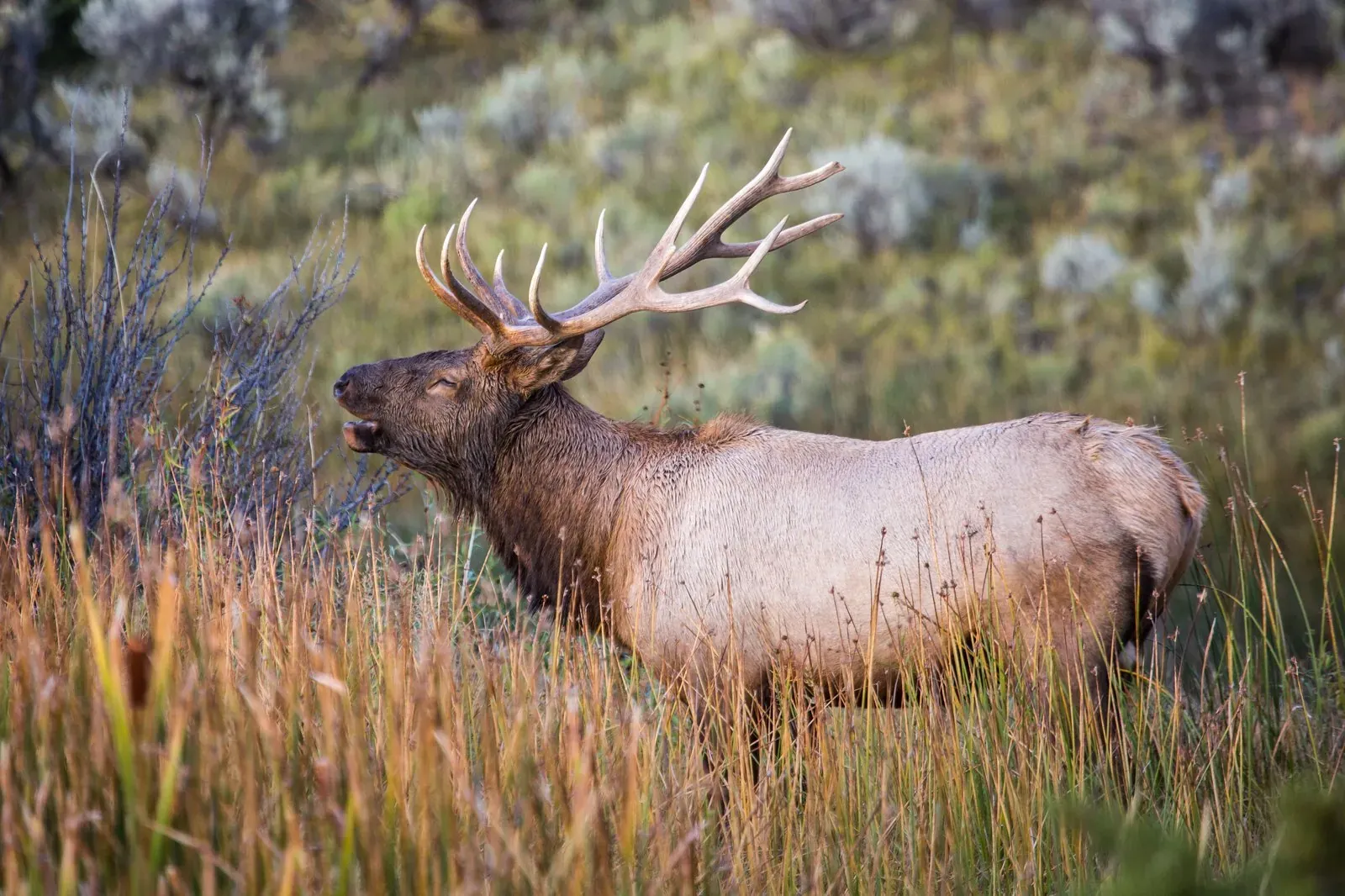
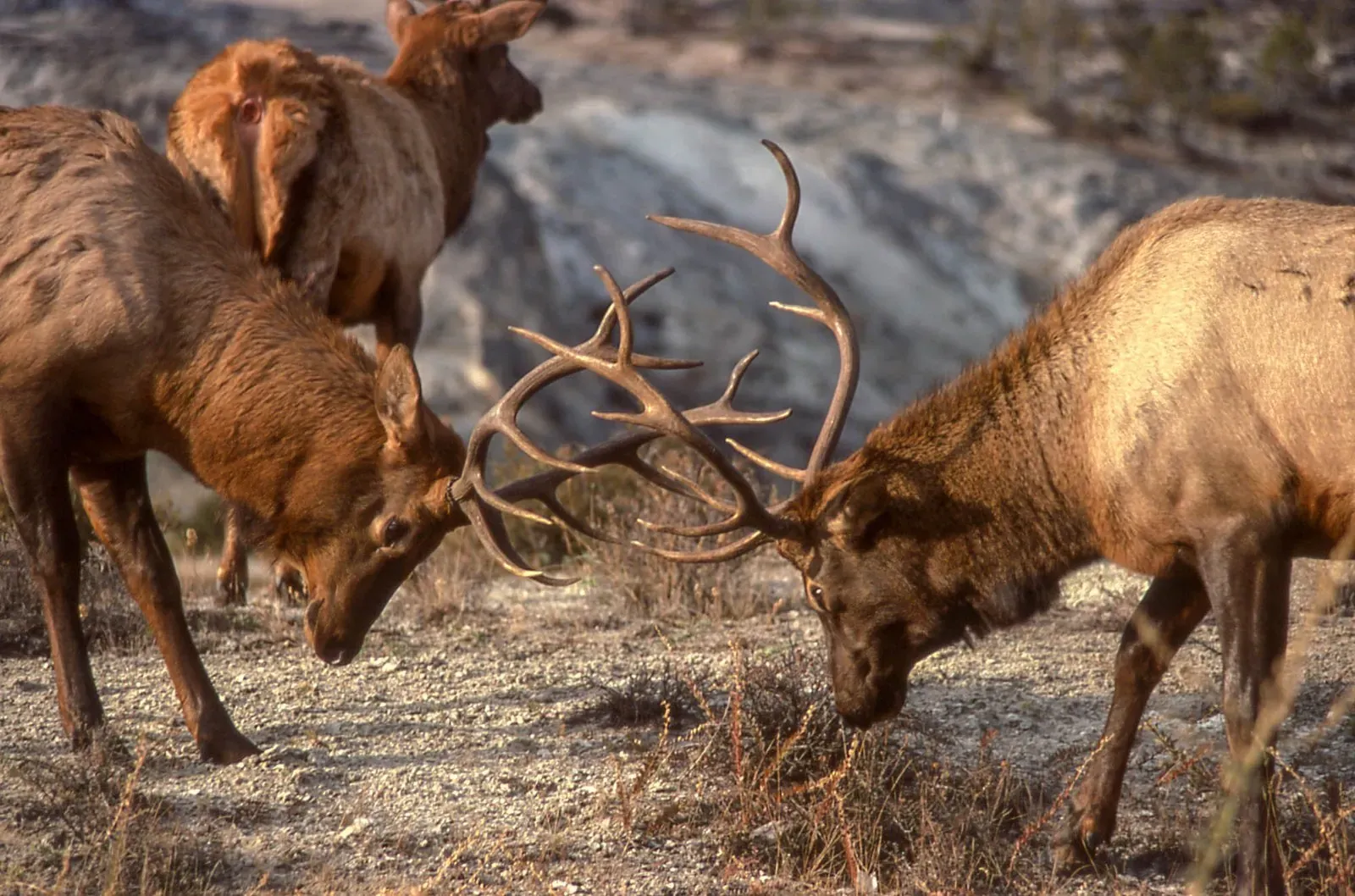
Elk
Year-roundThousands of elk roam Yellowstone and the surrounding area. During fall rut (September–October), bull elk bugle — an eerie, haunting sound.
Mammoth Hot Springs (year-round), Lamar Valley, and throughout the park.
Stay 75+ feet away. During rut, bull elk are especially aggressive.
Bald Eagles & Osprey
Spring–FallBald eagles and osprey nest along the Henry's Fork and throughout the Yellowstone ecosystem. Watch them dive for trout.
Along the Henry's Fork, Henry's Lake, Yellowstone Lake, and Hayden Valley.
Use binoculars for the best views. Don't approach nesting sites.
Trumpeter Swans
Harriman SPHarriman State Park is one of the most important habitats for trumpeter swans in the lower 48. These massive birds — with wingspans up to 8 feet — nest on Silver Lake.
Harriman State Park Silver Lake, Henry's Fork. Best viewing from the Silver Lake Trail loop.
Keep distance from nesting areas. Use binoculars. These are protected species.
Pronghorn
Northern rangeThe fastest land animal in North America, pronghorn antelope roam the open grasslands of Yellowstone's northern range. They can run up to 55 mph.
Lamar Valley and the northern grasslands of Yellowstone.
Stay 75+ feet away. They're typically not aggressive but are skittish.
Ready for Your Adventure?
Book your stay at Lodgepole Pines Retreat and experience everything Island Park and Yellowstone have to offer.
Book Your Stay