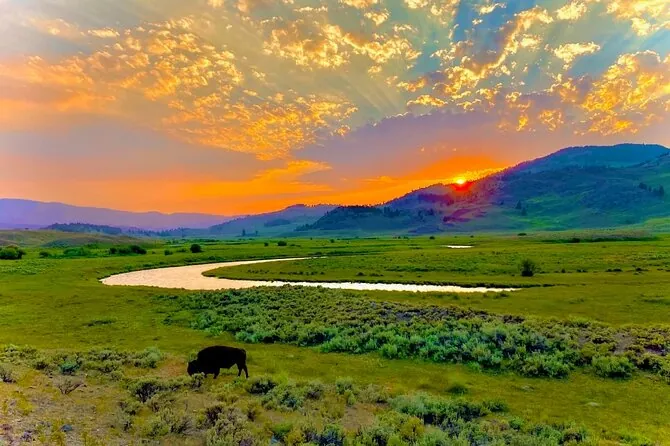
 (source: nps.gov)
"When should we go?" is the single most important question for any Yellowstone trip — and the answer depends entirely on what you want to experience. Peak summer delivers warm weather and full road access, but also bumper-to-bumper traffic at Old Faithful. September offers bugling elk and golden aspens with half the crowds. Winter transforms the park into a snow-covered wonderland accessible only by snowcoach and snowmobile.
This month-by-month breakdown covers weather, crowd levels, wildlife activity, and road conditions for every month of the year — so you can choose the dates that match your priorities perfectly. We also cover Grand Teton National Park timing, since many visitors combine both parks in a single trip.
Yellowstone Seasons at a Glance
Before diving into individual months, here's the big picture. Yellowstone operates on a cycle that's dramatically different from most national parks:
🌸 Spring (April – May)
Roads reopening, baby animals, unpredictable weather. Fewer crowds but limited access.
☀️ Summer (June – August)
Full park access, peak crowds, warmest temps. Best for hiking, waterfalls, and families.
🍂 Fall (September – October)
Elk rut, fall colors, thinning crowds. Cooler temps and some road closures begin late October.
❄️ Winter (November – March)
Snowcoach & snowmobile access only. Wolves easier to spot, geysers dramatic against snow. Quietest experience.
Grand Teton Timing
Grand Teton's road season closely mirrors Yellowstone's, but the Teton Park Road typically opens in early May and closes in late October. The Yellowstone & Grand Teton overview page covers access details for both parks.
January
Deep Winter
🌡️ Weather
Highs 25°F (−4°C), lows near 0°F (−18°C). Heavy snowpack, sub-zero wind chill common.
👥 Crowds
Very low. One of the quietest months. Snowcoach tours run with small groups.
🔭 Wildlife
Wolves highly visible against snow. Bison congregate near thermal areas. Trumpeter swans in river valleys.
🚗 Roads
Most roads closed to vehicles. Access by snowcoach or snowmobile from West Yellowstone or Mammoth. Mammoth–Cooke City open year-round.
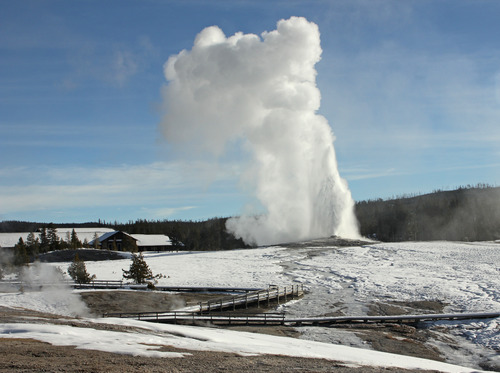
January is for travelers who want Yellowstone at its most raw and uncrowded. Access from Island Park via snowmobile is a bucket-list experience. Guided snowcoach tours from West Yellowstone run daily to Old Faithful.
February
Deep Winter
🌡️ Weather
Highs 30°F (−1°C), lows 5°F (−15°C). Slightly warmer than January but still firmly winter.
👥 Crowds
Low. Presidents' Day weekend sees a small bump, but nothing like summer.
🔭 Wildlife
Wolf packs active across Lamar Valley. Bison in thermal areas. Otters along rivers.
🚗 Roads
Same as January — snowcoach and snowmobile access only. Mammoth–Cooke City open.
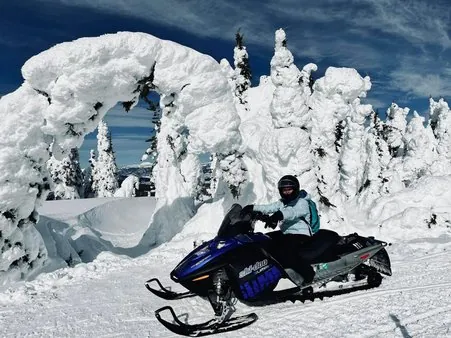
February offers slightly longer daylight hours than January, improving photography windows. The winter activities guide covers snowmobile rentals, snowcoach reservations, and cross-country skiing options.
March
Late Winter / Early Transition
🌡️ Weather
Highs 35–40°F (2–4°C), lows 10–15°F (−12 to −9°C). Snow still deep at elevation.
👥 Crowds
Very low. The park feels empty outside of spring break weeks.
🔭 Wildlife
Bears begin stirring late month. Wolves remain visible. Bison still near thermal areas.
🚗 Roads
Snowcoach/snowmobile access continues. Spring plowing begins but no roads open to cars yet.
March is Yellowstone's most transitional month — still very much winter, but with longer days and hints of spring. It's one of the cheapest times to visit, and lodging in Island Park is well below peak-season rates.
April
Early Spring
🌡️ Weather
Highs 45–50°F (7–10°C), lows 20–25°F (−7 to −4°C). Snow at higher elevations, rain at lower.
👥 Crowds
Low. Most summer visitors haven't arrived yet.
🔭 Wildlife
Grizzlies emerge from dens. Black bears active. Bison calving begins late April.
🚗 Roads
West Entrance and some roads begin opening mid-to-late April (weather dependent). Many interior roads still closed.
April is unpredictable — you might get sunshine or a snowstorm in the same day. But for bear enthusiasts, it's prime time. Check our weather & packing guide to prepare for spring's mood swings.
May
Spring
🌡️ Weather
Highs 55–60°F (13–16°C), lows 28–32°F (−2 to 0°C). Mix of rain, lingering snow, and warm days.
👥 Crowds
Low to moderate. Late May sees the first wave of summer visitors.
🔭 Wildlife
Peak bear activity. Bison calves everywhere. Wolves denning but visible. Elk calving late May.
🚗 Roads
Most roads open by mid-May. Beartooth Highway typically late May. Dunraven Pass opens last.
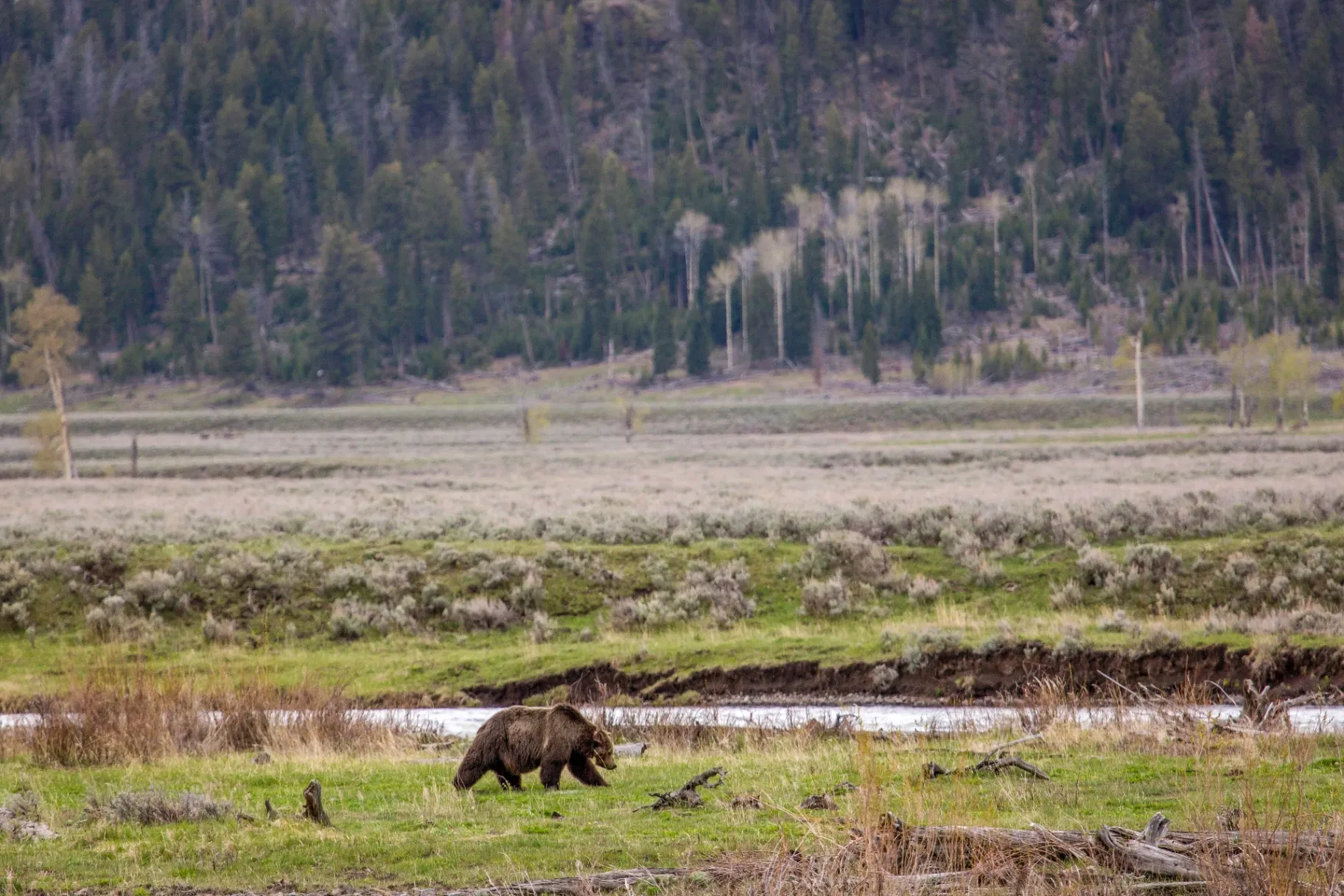
May is arguably the best month for wildlife in Yellowstone. Bears are everywhere, bison calves dot the landscape, and the park hasn't hit summer capacity yet. For a May trip itinerary, see our 3-day Yellowstone itinerary.
June
Early Summer
🌡️ Weather
Highs 65–72°F (18–22°C), lows 35–40°F (2–4°C). Afternoon thunderstorms common. Wildflowers peak.
👥 Crowds
Moderate to high. Builds significantly after mid-June when school ends.
🔭 Wildlife
Bears active in meadows. Bison and elk with young. Wildflower season brings pollinators and songbirds.
🚗 Roads
All roads open. Full park access including Beartooth Highway.
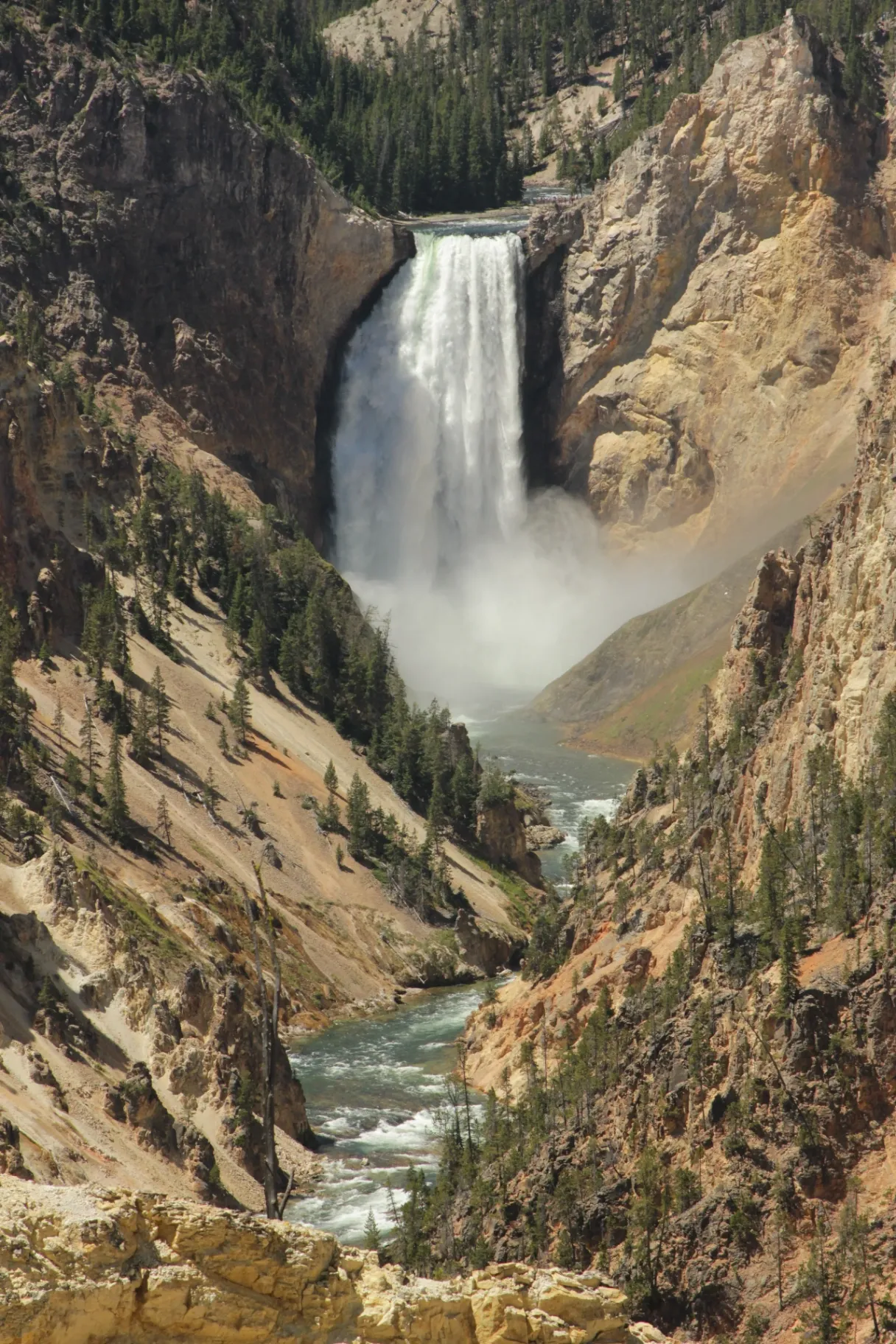
June is when Yellowstone comes fully alive. All roads are open, waterfalls run at peak flow from snowmelt, and wildflowers blanket meadows. For the best hiking trails, aim for early morning starts.
July
Peak Summer
🌡️ Weather
Highs 78–82°F (26–28°C), lows 40–45°F (4–7°C). Warmest month. Afternoon storms possible.
👥 Crowds
Peak. Expect long entrance lines (30–60 min), full parking lots, and crowded boardwalks.
🔭 Wildlife
Bears move to higher elevations. Bison everywhere. Osprey fishing. Early morning is best.
🚗 Roads
All roads open. Traffic congestion on the Grand Loop, especially near Old Faithful and Canyon.
July is Yellowstone's busiest month. If you visit, the key is timing: enter the park before 8 AM, eat lunch outside the park, and explore popular sites in late afternoon. Staying in Island Park rather than West Yellowstone gives you a quieter retreat after intense park days.
August
Late Summer
🌡️ Weather
Highs 78–80°F (26–27°C), lows 38–42°F (3–6°C). Wildfire smoke possible. Shorter days than July.
👥 Crowds
Still high but drops noticeably after mid-August when schools resume.
🔭 Wildlife
Bears feeding heavily pre-hibernation. Bison rut begins late August. Spawning cutthroat trout attract bears.
🚗 Roads
All roads open. Fire closures occasionally affect specific areas.
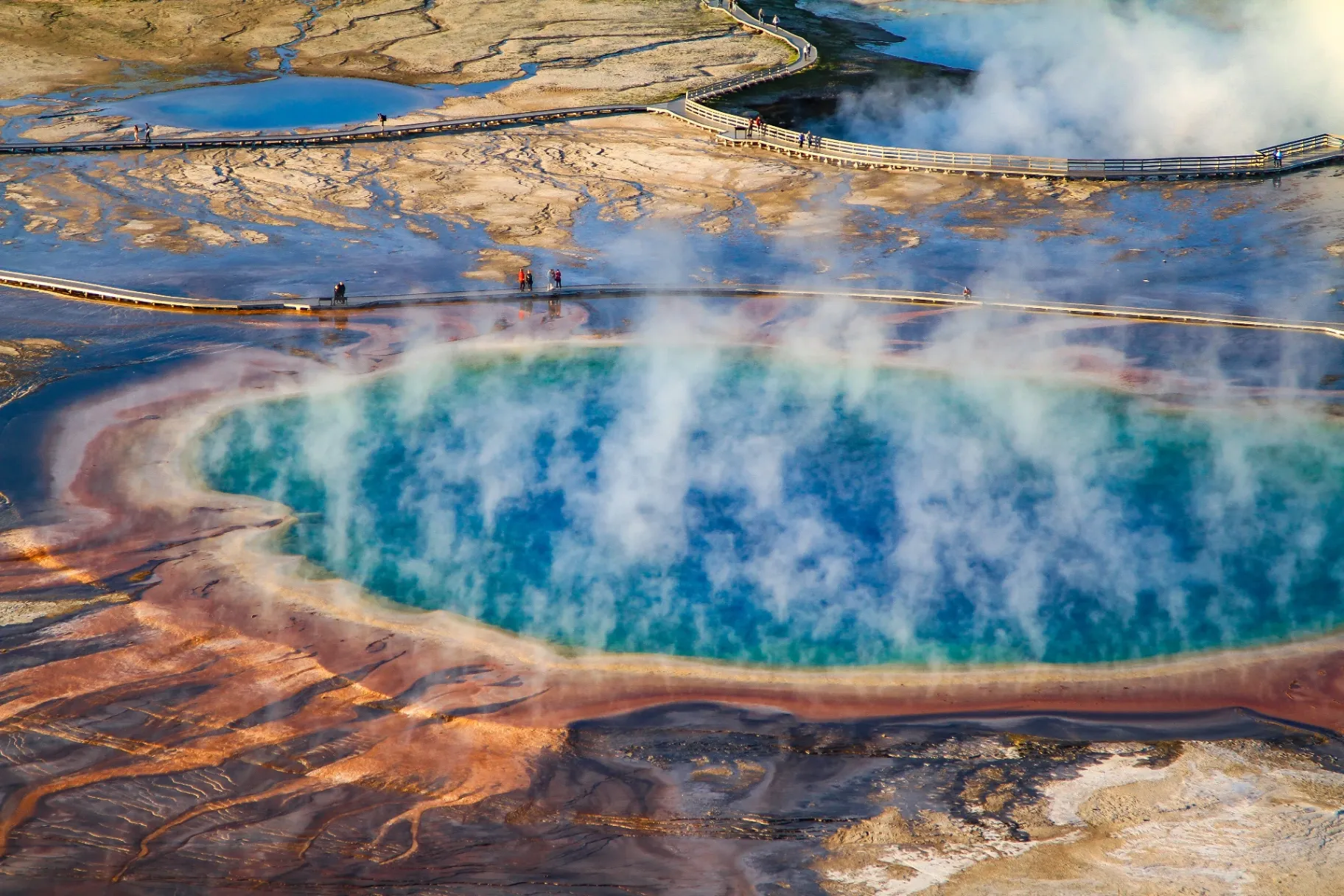
Late August is a sweet spot — still warm, most kids are back in school, and bears are highly active. The summer activities guide covers all the warm-weather options.
September
Early Fall
🌡️ Weather
Highs 60–68°F (16–20°C), lows 28–35°F (−2 to 2°C). Crisp mornings, golden light. First frosts.
👥 Crowds
Low to moderate. Dramatically fewer visitors than summer. The park feels spacious again.
🔭 Wildlife
Elk rut peaks — bugling echoes through valleys. Bears in hyperphagia. Bison rut. Wolves more visible.
🚗 Roads
All roads open through the month. Some seasonal facilities begin closing.
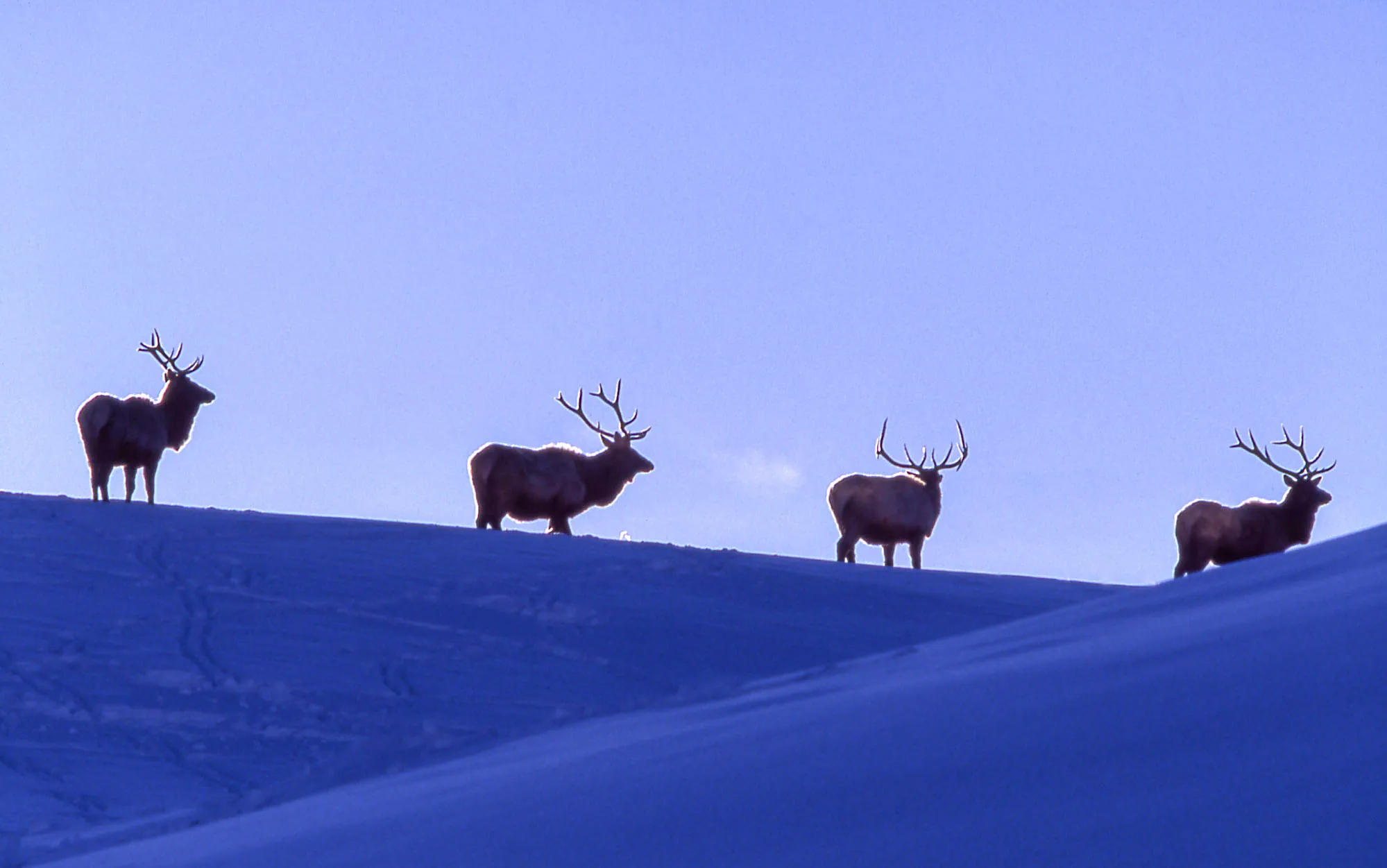
September is many repeat visitors' favorite month. The crowds thin dramatically, the light turns golden, aspens glow yellow, and bull elk bugle at dawn and dusk. Don't miss the wildlife viewing guide for prime spots.
October
Late Fall
🌡️ Weather
Highs 45–52°F (7–11°C), lows 18–25°F (−8 to −4°C). Snow possible at any time. Short days.
👥 Crowds
Very low. One of the quietest months with car access.
🔭 Wildlife
Elk rut continues early month. Bears preparing for hibernation. Wolves active. Bald eagles along rivers.
🚗 Roads
Most roads close in early-to-mid November. Beartooth Highway closes mid-October.
October combines fall beauty with genuine solitude — you might have entire boardwalks to yourself. Pack layers and check our packing guide for fall essentials.
November
Early Winter / Transition
🌡️ Weather
Highs 32–38°F (0–3°C), lows 10–18°F (−12 to −8°C). Snow accumulating. Winter setting in.
👥 Crowds
Extremely low. The park enters its winter transition — most facilities closed.
🔭 Wildlife
Wolves become more visible as snow arrives. Bison move to lower elevations near thermal areas.
🚗 Roads
Most roads close to cars by early November. Winter season begins mid-to-late December.
November is Yellowstone's quietest month — the summer season has ended but winter access hasn't started yet. Only the Mammoth–Cooke City road remains open. Focus on the Northern Range: Lamar Valley, Mammoth, and Tower Junction.
December
Winter
🌡️ Weather
Highs 28–32°F (−2 to 0°C), lows 5–10°F (−15 to −12°C). Deep snow, short days.
👥 Crowds
Low. Winter season opens mid-to-late December. Small guided groups.
🔭 Wildlife
Wolves highly visible. Bison near thermal areas. Trumpeter swans. Elk at lower elevations.
🚗 Roads
Winter oversnow season begins. Snowcoach and snowmobile access to Old Faithful and interior.
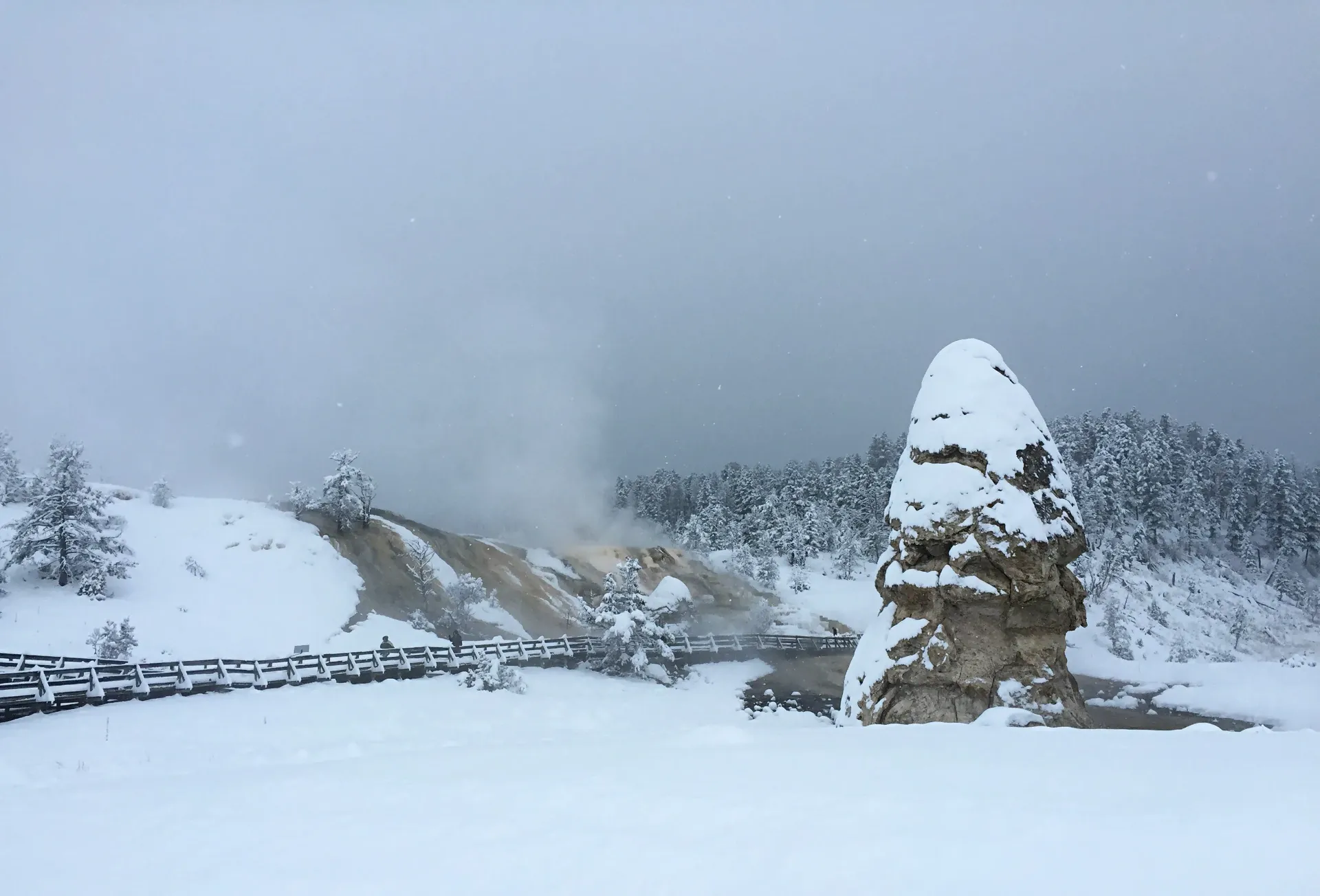
A December Yellowstone trip is genuinely magical — especially over the holidays. Combine a morning snowcoach tour to Old Faithful with evening relaxation in a private hot tub at your cabin. Book early — winter tours fill up months in advance.
Best Time to See Wildlife in Yellowstone & Grand Teton
Yellowstone is North America's most concentrated megafauna ecosystem — home to grizzly bears, wolves, bison, elk, moose, pronghorn, bighorn sheep, and more. Timing your visit around the species you most want to see can make the difference between "we saw a dot on a hillside" and "we watched a wolf pack take down an elk."
(source: nps.gov)
Grizzly Bear
Peak: May – June, September
Lamar Valley, Hayden Valley, Dunraven Pass
 (source: nps.gov)
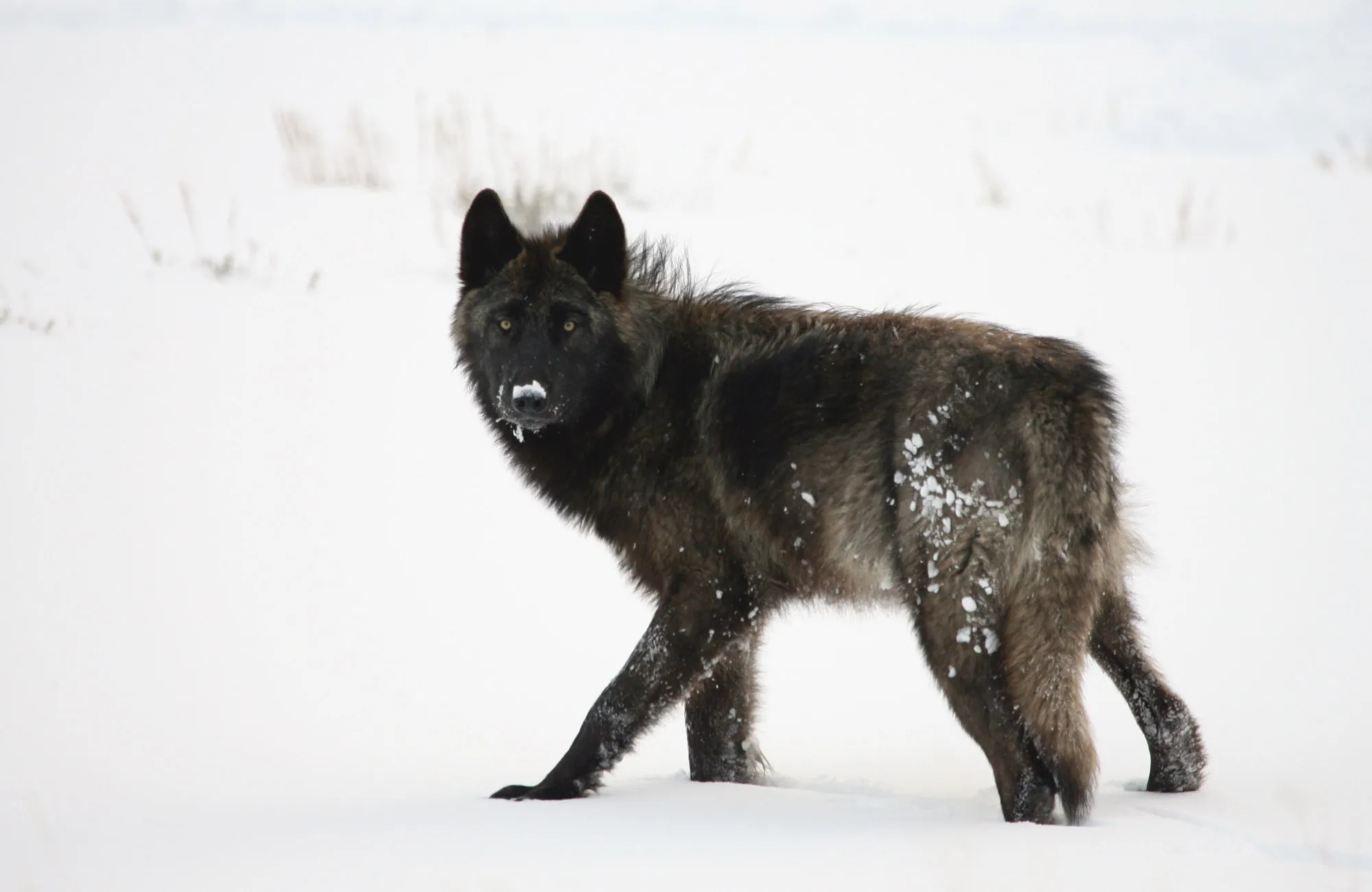
Gray Wolf
Peak: January – March, November
Lamar Valley, especially at dawn
 (source: nps.gov)
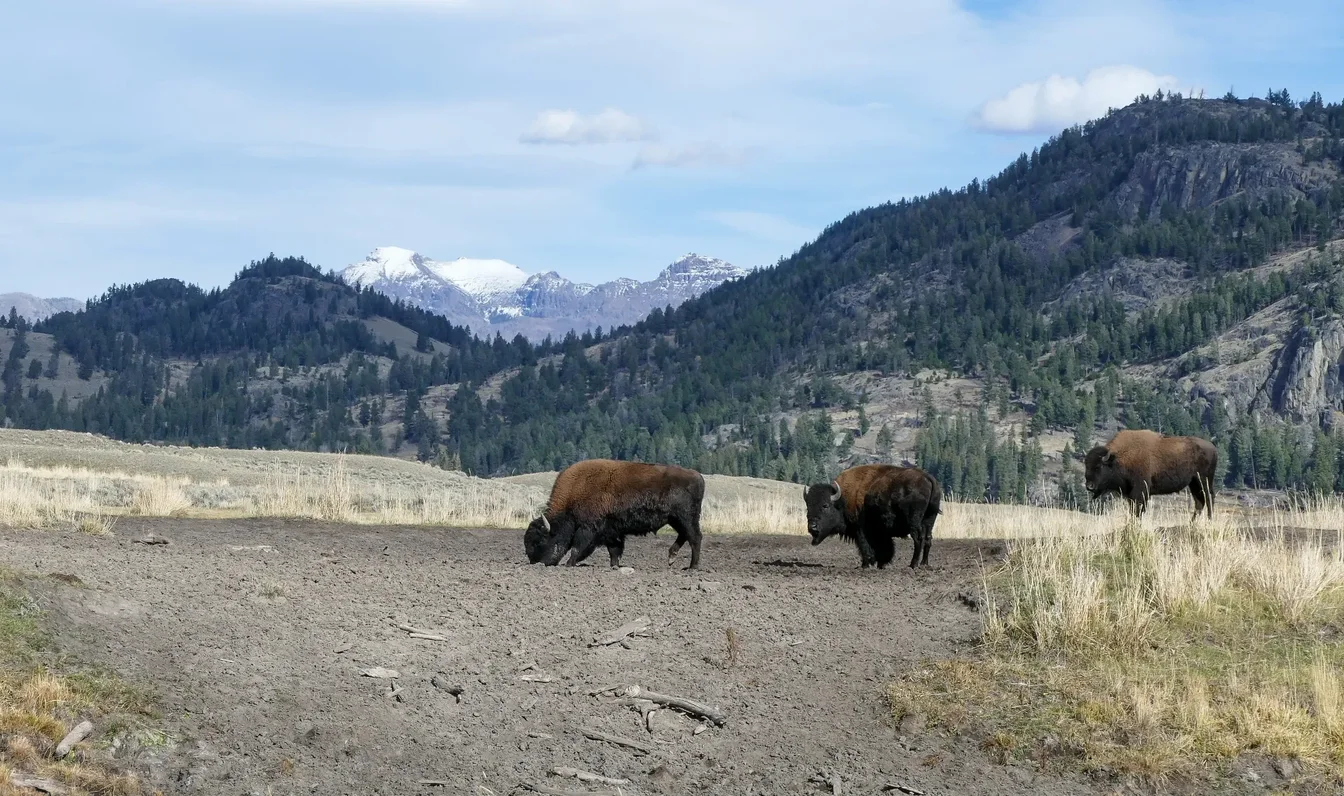
Bison
Peak: May (calving), August (rut)
Hayden Valley, Lamar Valley, throughout park
(source: nps.gov)
Bull Elk (Rut)
Peak: Mid-September – early October
Mammoth Hot Springs, Madison River
 (source: nps.gov)
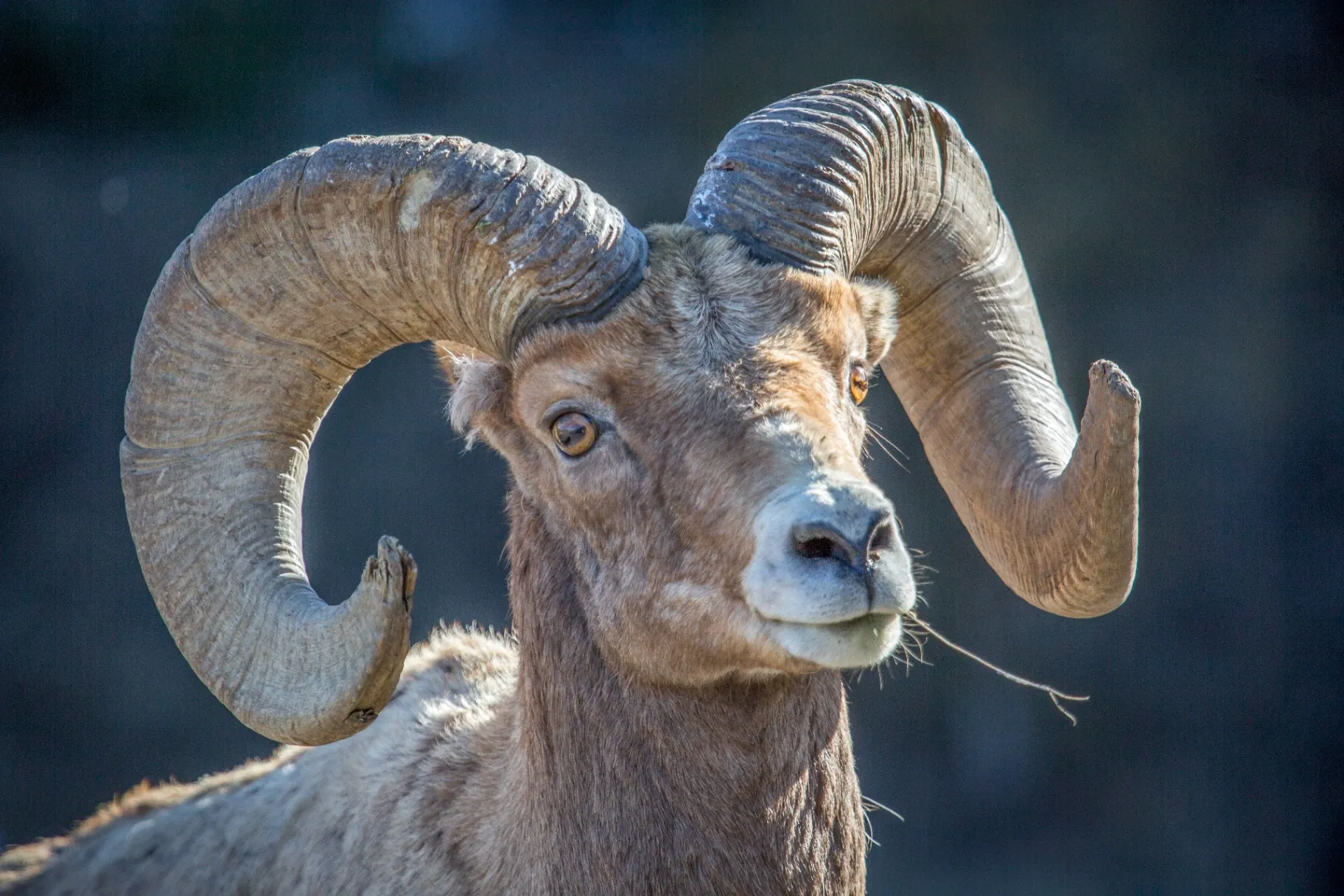
Bighorn Sheep
Peak: November – March (rut), year-round
Mt. Washburn, Gardner Canyon, North Entrance
 (source: nps.gov)
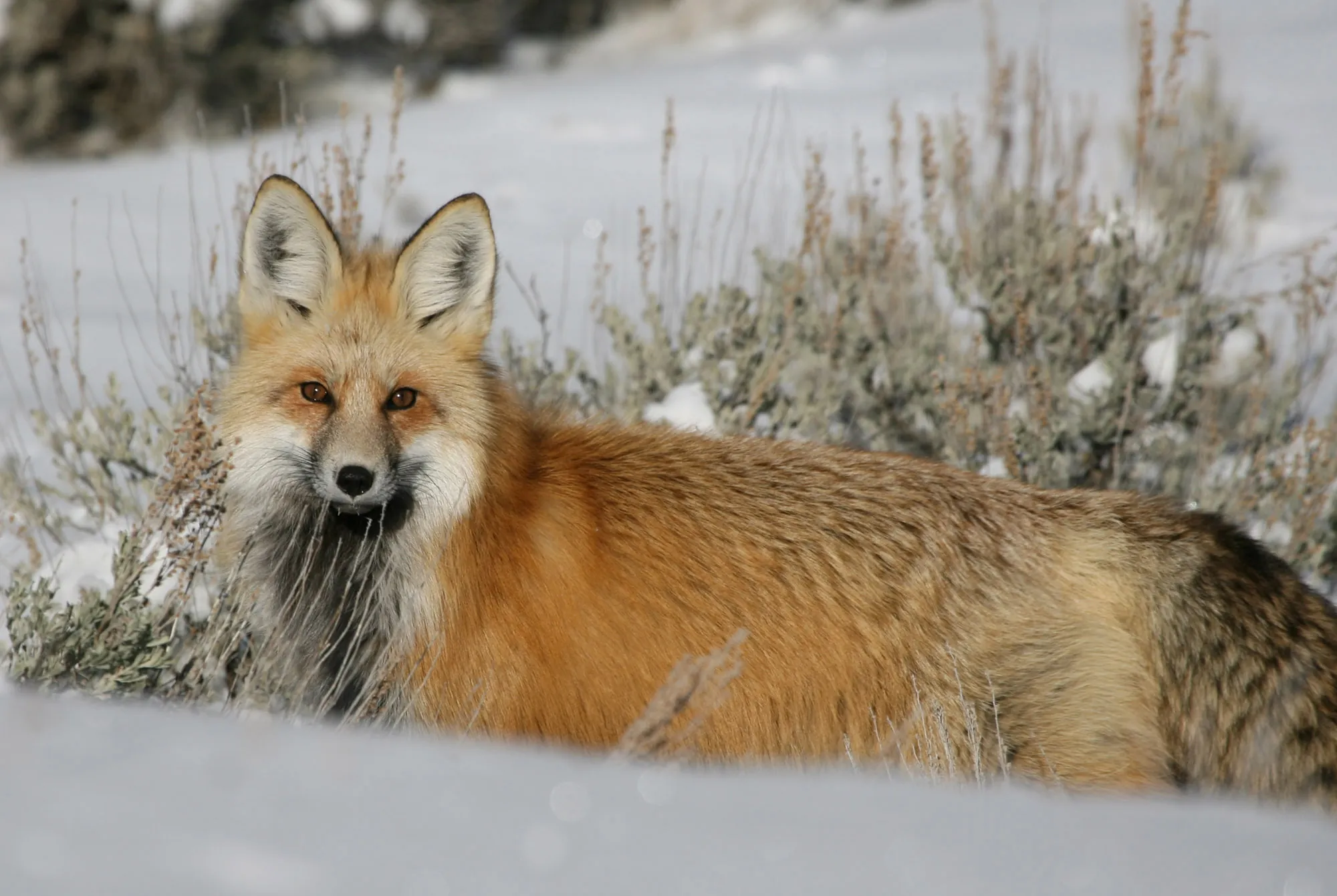
Red Fox
Peak: Year-round, best in winter
Lamar Valley, Hayden Valley, Canyon area
Wildlife Viewing Tips
The best wildlife viewing happens in the first and last two hours of daylight. Bring binoculars or a spotting scope. Keep at least 100 yards from bears and wolves, 25 yards from other wildlife. Visit our park safety guide for distance rules and bear spray requirements.
Quick Decision Matrix
Not sure when to go? Use this table to match your priorities to the best travel window:
| If You Want… | Visit In |
|---|---|
| Best overall wildlife viewing | May, September |
| Warm weather & full access | July, August |
| Fewest crowds with car access | Late May, October |
| Elk rut & fall colors | Mid-September – early October |
| Bear sightings | May, June, September |
| Wolf watching | January – March, November |
| Snow & solitude experience | January, February |
| Best photography light | September, October |
| Family vacation (kids out of school) | Late June, early August |
| Budget-friendly lodging | March, April, November |
Where to Stay for Every Season
Your lodging choice matters just as much as your travel dates. Here's how season shapes the decision:
Summer (June – August)
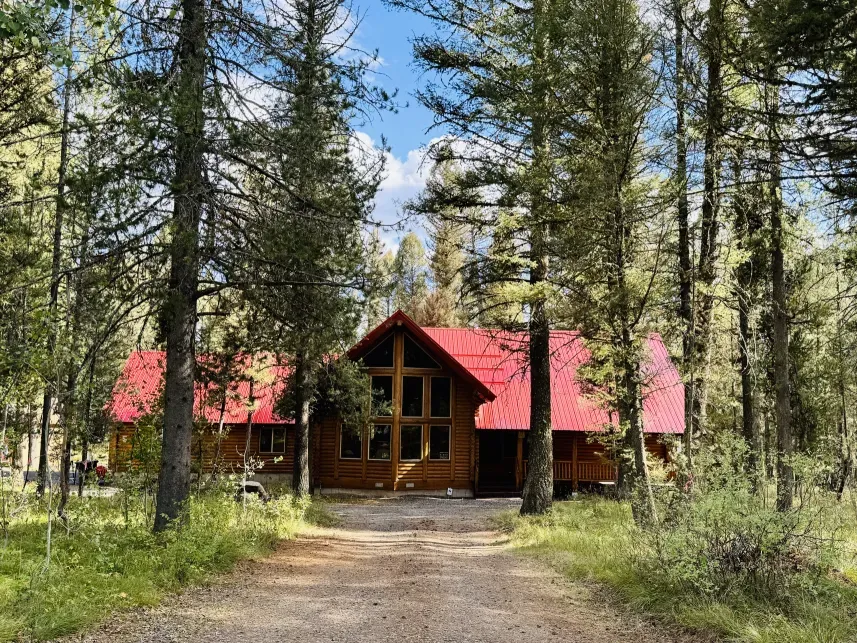
During peak season, staying in Island Park rather than a busy border town gives you a quiet retreat after intense park days.
Winter (December – March)
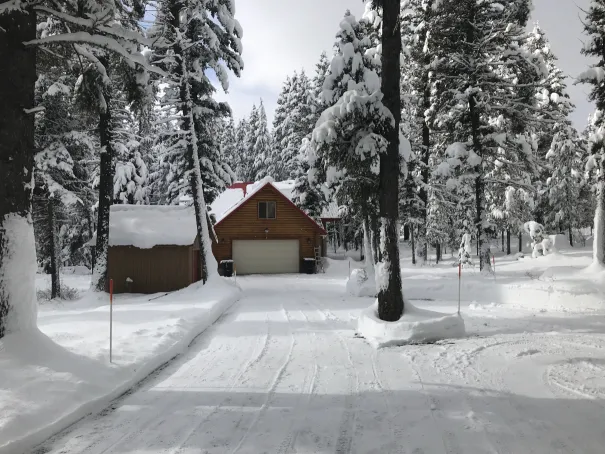
Island Park is a major snowmobile staging area for Yellowstone's winter season. Stay in a warm cabin with a full kitchen and private hot tub, then ride directly into the park.
Shoulder Seasons (May, September – October)
Shoulder seasons offer the best balance of access, wildlife, and value. Lodging rates in Island Park drop significantly. These months are ideal for family trips and dedicated wildlife viewing.
Frequently Asked Questions
When is the best time to visit Yellowstone?
It depends on your priorities. For warm weather and full park access, visit June through August. For fewer crowds, September and October are ideal. For wildlife, May and September. Winter (December–March) provides a magical, uncrowded experience by snowcoach or snowmobile.
When are Yellowstone's roads open?
Most park roads open in late April to mid-May and close in early November. The Mammoth–Cooke City road stays open year-round. Check nps.gov/yell for exact dates.
When can you see bears in Yellowstone?
Grizzly and black bears emerge in March and April. Best months: May and June for foraging activity. September brings another wave before hibernation.
When is elk rut season?
Elk rut peaks in mid-September through early October. Mammoth Hot Springs and the Madison River valley are prime viewing areas.