Yellowstone Packing List: What to Bring for Every Season
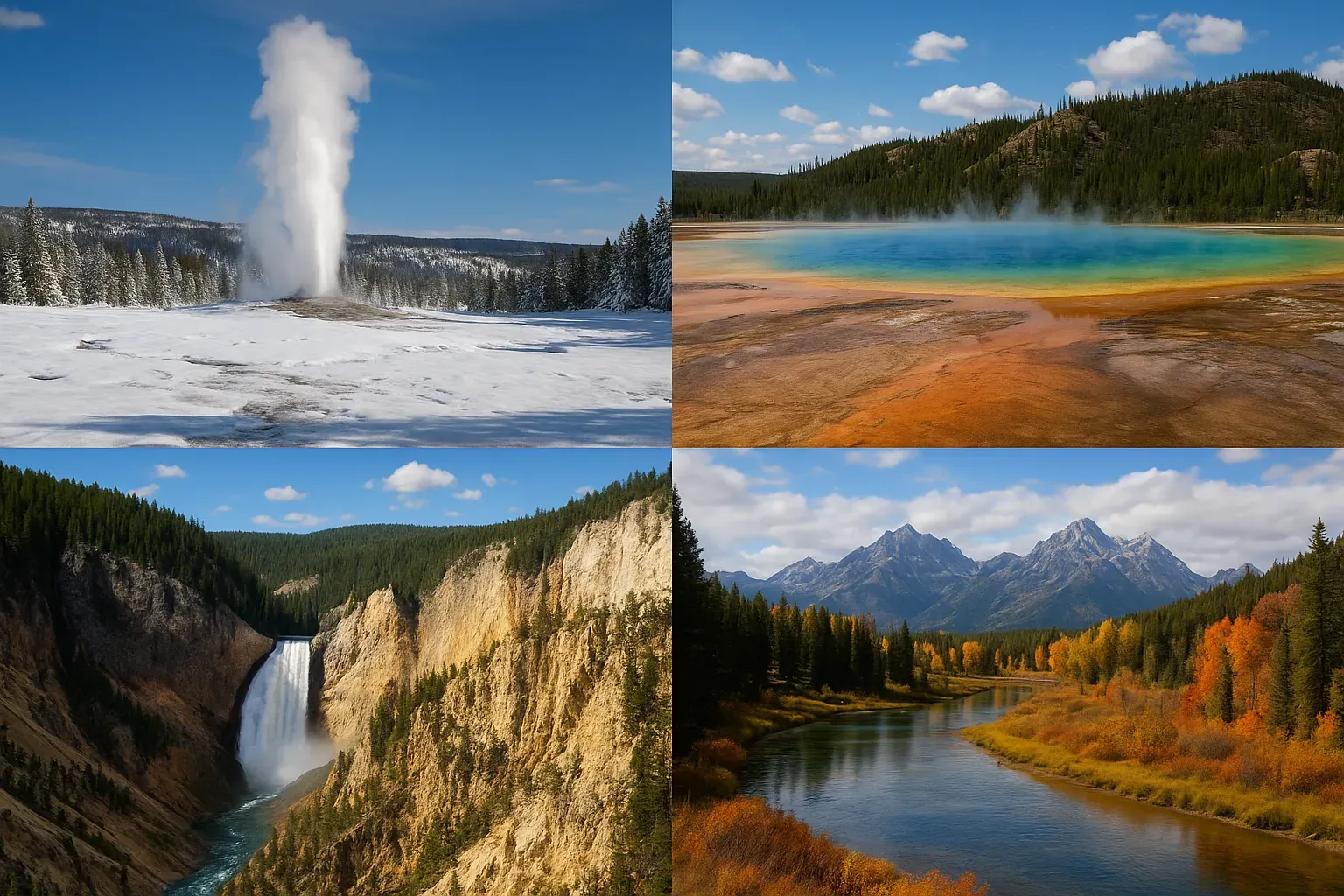
Why Packing for Yellowstone Is Different
Yellowstone sits at 6,000–8,500 feet elevation across a volcanic plateau where weather changes fast and dramatically. A sunny 80°F afternoon can turn into a 38°F hailstorm in under an hour. Snow is possible in every month of the year. The UV index is intense at altitude. And if you're hiking in grizzly country, the gear you carry could save your life.
This guide covers exactly what to pack for every season — whether you're visiting in peak summer or during the magical fall shoulder season. We also include gear lists for day hiking, wildlife watching, and traveling with kids.
Pro tip: If you're staying at a full-service cabin like ours, you'll have a washer/dryer, full kitchen, and gear storage — so you can pack lighter and do laundry mid-trip.
Year-Round Essentials (Every Season)
No matter when you visit, these items belong on every Yellowstone packing list:
🧥 Clothing Layers
- Moisture-wicking base layers (no cotton)
- Insulating mid-layer (fleece or down)
- Waterproof/windproof outer shell
- Warm hat and gloves (yes, even in July)
- Sunglasses with UV protection
- Comfortable walking shoes
🎒 Day Pack Essentials
- Daypack (20–30L)
- Reusable water bottles (2L minimum per person)
- Sunscreen SPF 50+ (reapply every 2 hrs at altitude)
- Lip balm with SPF
- First aid kit with blister supplies
- Trail snacks and lunch supplies
🐻 Safety Gear
- Bear spray (buy/rent at gateway towns or visitor centers)
- Bear spray holster (hip-accessible, NOT in your pack)
- Headlamp or flashlight with extra batteries
- Emergency whistle
- Paper map of the park (cell service is unreliable)
📱 Tech & Convenience
- Portable phone charger / power bank
- Car phone charger
- Downloaded offline maps (Google Maps or Avenza)
- Binoculars (even cheap ones enhance wildlife viewing)
- Camera with extra memory cards and batteries
Bear spray note: You cannot fly with bear spray. Buy or rent it when you arrive — available at all park visitor centers, most gateway town shops, and at the West Yellowstone entrance. A canister costs $35–$55, or you can rent one for about $10/day. Learn more in our Yellowstone safety guide.
Summer Packing (June–August)
Summer is Yellowstone's busiest season — and its most deceptive for weather. Daytime highs reach 70–85°F in valleys, but afternoon thunderstorms are nearly daily. Mornings and evenings cool rapidly to 35–50°F. At higher elevations (Dunraven Pass, Mt. Washburn), temps can be 15–20°F cooler than the valley floor.
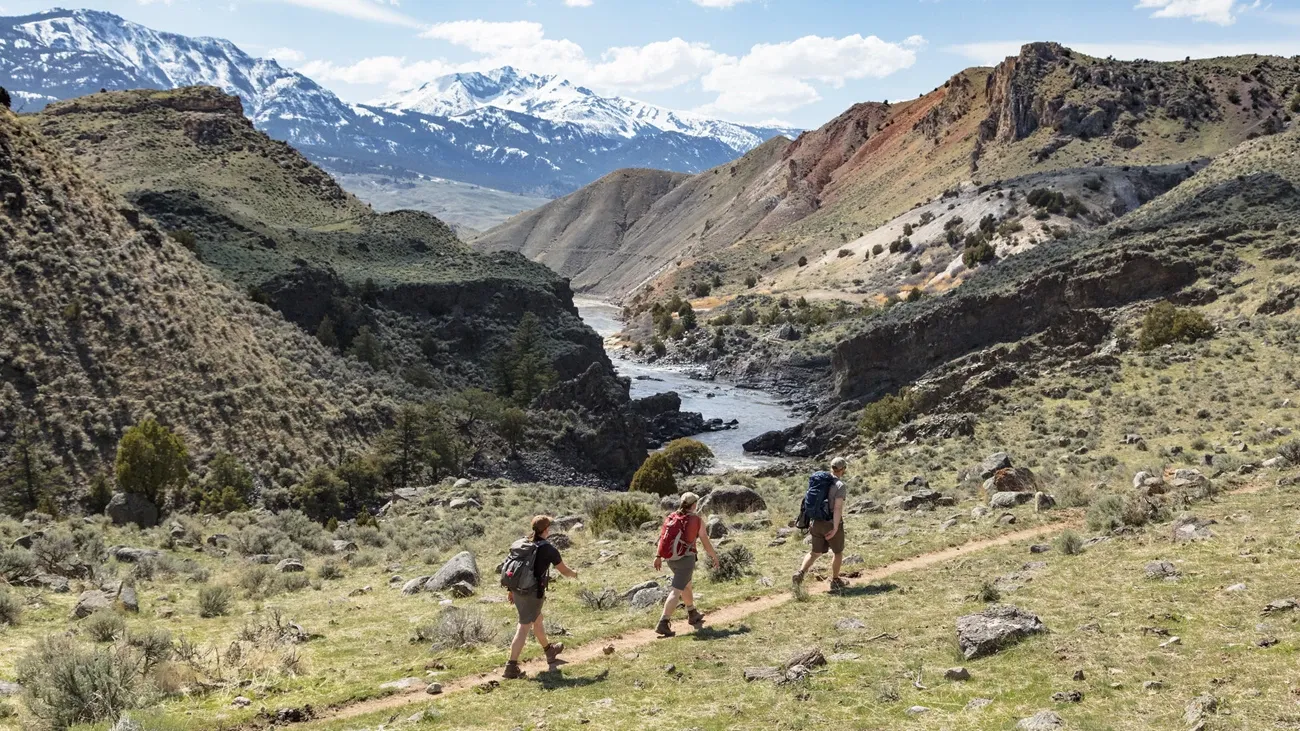
☀️ Summer Clothing
- Lightweight hiking pants (convertible pants are great)
- T-shirts and tank tops for warm afternoons
- Light fleece or hoodie for mornings/evenings
- Rain jacket (afternoon storms are daily in July–August)
- Wide-brim sun hat
- Swimsuit (for hot springs towns and cabin hot tubs)
- Sandals for relaxing at the cabin
🌧️ Summer-Specific Gear
- Insect repellent (mosquitoes are fierce June–July near water)
- Waterproof dry bag for electronics during rain
- Trekking poles (optional but great for steep trails)
- Electrolyte packets (altitude + dry air = dehydration)
Temperature reality check: On July 4th in Yellowstone, it's common to start the day at 35°F, reach 82°F by 2 PM, then get caught in a 55°F hailstorm by 4 PM. Layers are not optional.
Fall Packing (September–October)
Fall is arguably the best time to visit Yellowstone — smaller crowds, golden aspens, elk bugling, and dramatic weather. But temperatures swing wildly: 60°F days and 15°F nights are common by late September. Snow can start in earnest by mid-October.
🍂 Fall Clothing
- Warm base layers (merino wool is ideal)
- Heavy fleece or puffy down jacket
- Waterproof insulated jacket
- Warm beanie and insulated gloves
- Hiking pants (no shorts after mid-September)
- Wool socks (2–3 pairs)
- Neck gaiter or buff for cold mornings
Fall bonus: The sunrise and sunset colors in fall are extraordinary. Plan for early mornings — and pack warm enough to sit still at a pullout for 30+ minutes waiting for golden light (or wolves).
Winter Packing (November–March)
Winter in Yellowstone is a magical but extreme experience. Temperatures regularly hit -10°F to -30°F. Most park roads close to cars, accessible only by snowcoach or snowmobile. Island Park itself gets 200+ inches of snow annually. Proper gear isn't optional — it's survival.
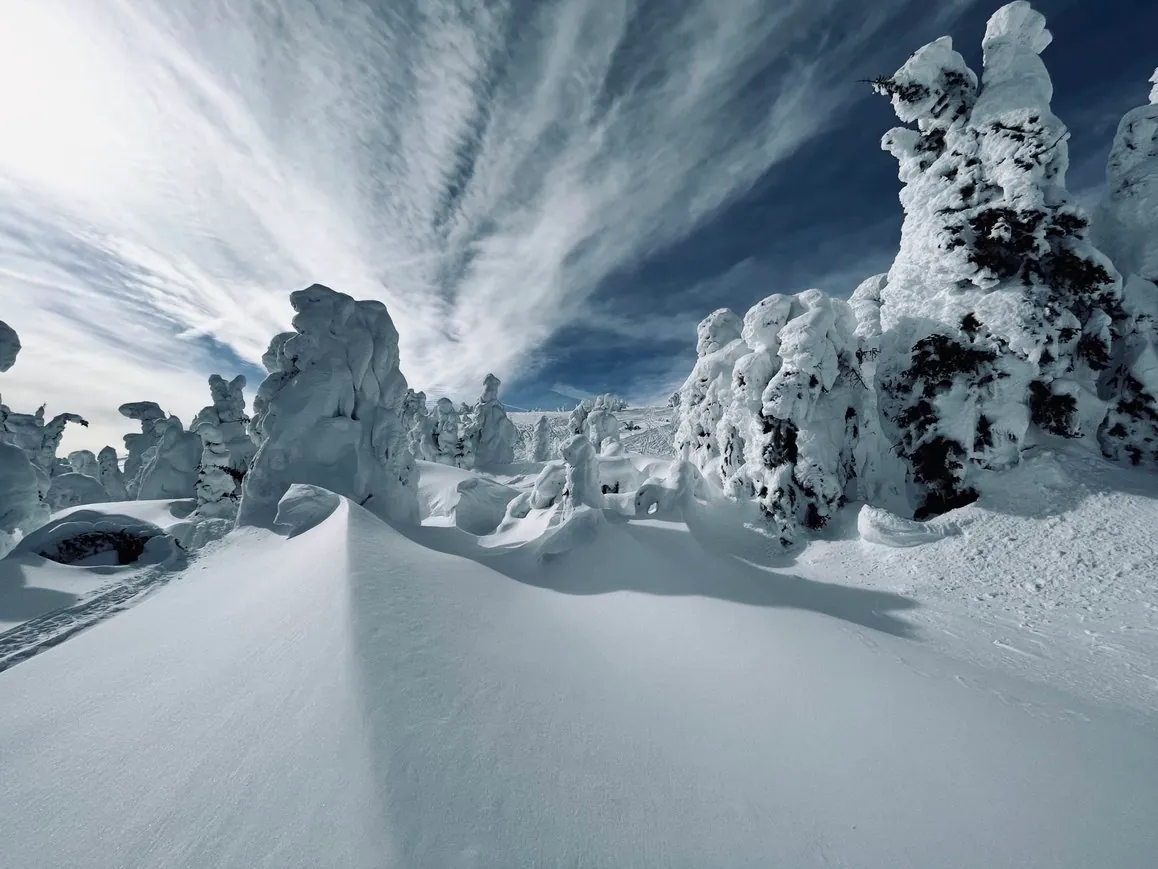
❄️ Winter Clothing
- Thermal base layers (top and bottom — merino or synthetic)
- Heavy insulating layer (puffy down or synthetic fill)
- Waterproof insulated outer shell (ski-quality)
- Insulated waterproof snow boots (rated to -25°F)
- Heavy winter gloves + liner gloves
- Warm hat that covers ears
- Balaclava or face covering for snowmobile rides
- Ski goggles (for snowmobiling and blowing snow)
- Hand and toe warmers (buy in bulk)
🛷 Winter Activity Gear
- Snowshoes (rentable locally)
- Cross-country skis (rentable at Harriman State Park)
- Snowmobile helmet (usually provided by tour operators)
- Insulated water bottle (regular bottles freeze solid)
Spring Packing (April–May)
Spring in Yellowstone is unpredictable. Roads open gradually through April and May, and conditions can range from 65°F sunshine to 25°F blizzards in the same week. Snow lingers at higher elevations through June. Many trails remain snowy or muddy.
🌸 Spring Clothing
- Full winter layers (for early spring and high elevation)
- Lighter layers for warm valley afternoons
- Waterproof hiking boots (trails are muddy and snow-covered)
- Gaiters for slushy trails
- Rain pants (spring rain and snowmelt make everything wet)
- Extra dry socks in your daypack
Spring wildlife tip: Spring is prime time for bear sightings as grizzlies emerge from hibernation with cubs. Carry bear spray and binoculars — you'll need both.
Day Hiking Gear Checklist
Whether you're doing a Yellowstone day hike or a Grand Teton trail, these items are essential:
🥾 Hiking Essentials
- Waterproof hiking boots (broken in before the trip)
- Trekking poles (especially for steep Teton trails)
- Bear spray in hip holster
- 2+ liters of water per person
- Trail snacks: nuts, jerky, energy bars, fruit
- Rain jacket (always — storms come without warning)
- Map + compass (don't rely on phone GPS alone)
- Emergency whistle and small first aid kit
- Blister treatment (moleskin, tape, or band-aids)
- Traction devices (Yaktrax/microspikes for early season)
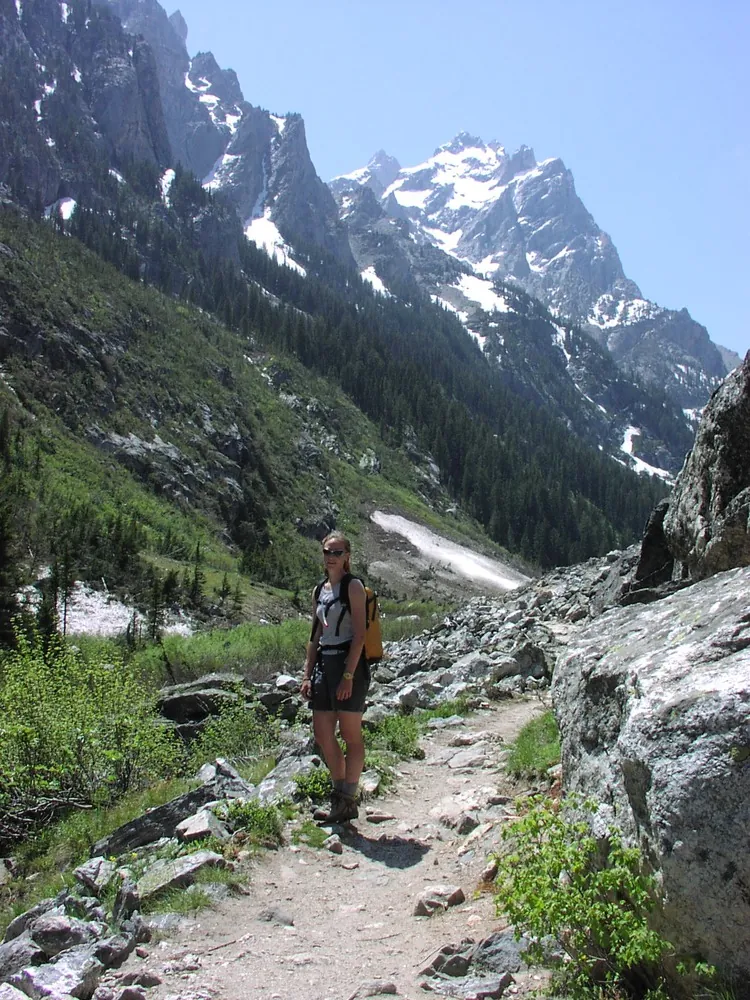 (source: nps.gov)
Wildlife Viewing Gear
Wildlife is one of the top reasons people visit Yellowstone. The right gear makes the difference between a distant blob and a memorable encounter:
🔭 Wildlife Watching Kit
- Binoculars (10x42 is the sweet spot for weight vs. power)
- Spotting scope + lightweight tripod (for wolves/bears at distance)
- Camera with 200mm+ zoom lens
- Extra camera batteries (cold drains them fast)
- Camp chair or sit pad (you'll wait at pullouts for hours)
- Thermos of hot coffee (for early Lamar Valley mornings)
- Patience — seriously, the best sightings reward those who wait
Packing for Kids
Visiting with a large family or young kids? Add these to your list:
👶 Kids Extras
- Kid-sized bear spray holster (for older kids who can carry it)
- Junior Ranger booklet (free at visitor centers — keeps kids engaged)
- Nature journal + colored pencils
- Small binoculars (kids love spotting animals themselves)
- Car entertainment for long park drives
- Plenty of snacks (park food options are limited and expensive)
- Extra layers — kids get cold faster than adults
- Waterproof boots and rain jacket
Read our full guide: Island Park for Kids: 5 Easy Hikes and Activities
What NOT to Bring to Yellowstone
❌ Leave These at Home
- Drones — Banned in all national parks. Period.
- Firearms for bear protection — Bear spray is statistically more effective and easier to use
- Cotton base layers — Cotton absorbs moisture and loses all insulation when wet ("cotton kills")
- High heels or dress shoes — Even boardwalks can be uneven; you'll walk 5–10 miles daily
- Bluetooth speakers — Noise disturbs wildlife and other visitors; use earbuds if needed
- Food in your tent — All food must be in bear-proof containers; never store food in tents
- Excessive luggage — If staying at a cabin with laundry, pack 3–4 days of clothes and wash mid-trip
Frequently Asked Questions
What should I pack for Yellowstone in summer?
Layer up: T-shirts and shorts for daytime (70–85°F), plus a fleece and rain jacket for afternoon storms and cool evenings (40–50°F). Don't forget sunscreen, a hat, and sturdy hiking shoes.
Do I need bear spray in Yellowstone?
Yes. Bear spray is the single most important safety item for hiking in Greater Yellowstone. It's more effective than firearms and can be purchased or rented at visitor centers and gateway towns for $35–$55.
How cold does Yellowstone get at night in summer?
Summer nighttime lows regularly drop to 30–40°F at Yellowstone's elevation (7,500–8,500 ft), even when daytime highs reach 80°F. Always bring warm layers for evenings.
What shoes should I wear in Yellowstone?
Waterproof hiking boots or trail shoes with ankle support are ideal. Boardwalk areas are fine in sneakers, but trails can be rocky, muddy, and steep. Avoid sandals on trails.
Can I bring bear spray on an airplane?
No. Bear spray is classified as a hazardous material and cannot be carried on flights (carry-on or checked). Buy or rent it when you arrive at gateway towns or park visitor centers.
Is there cell service in Yellowstone?
Very limited. You'll get spotty service near Old Faithful, Canyon Village, and Mammoth. Download offline maps and don't rely on your phone for navigation inside the park.
Disclaimer: Prices, availability, and conditions mentioned in this guide were accurate at time of writing but are subject to change. Always check the official NPS website for current conditions before your visit.