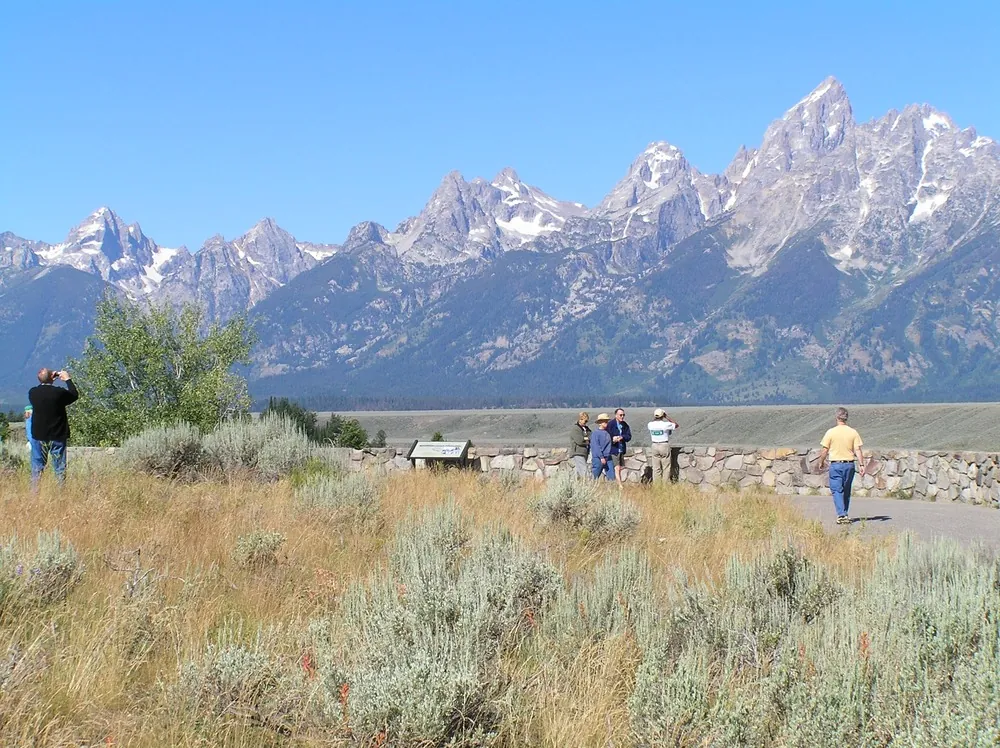
 (source: nps.gov)
Early Mountain Men of the Tetons: The Fur Trade Era (1807–1840)
11 min read · Updated May 2026
Before the Trappers
Long before any white trapper saw the Tetons, the surrounding valleys were a crossroads for Eastern Shoshone, Bannock, Blackfeet, Crow, Gros Ventre, and Nez Perce. Almost every "discovery" route the mountain men later mapped was an indigenous trail first. See our Native American presence in Yellowstone article for that deeper history.
John Colter & the First Crossing (1807–1808)
John Colter, a discharged member of the Lewis and Clark Corps of Discovery, became almost certainly the first non-indigenous person to see the Tetons from the east. Alone in the winter of 1807–1808, on snowshoes carrying a 30-pound pack, he walked an estimated 500 miles through what is now Yellowstone, Jackson Hole, Pierre's Hole, and back to a Bighorn River trading post. His descriptions of mud pots and geysers earned the region the mocking nickname Colter's Hell — see The Creation of Yellowstone and Early Exploration of Yellowstone.
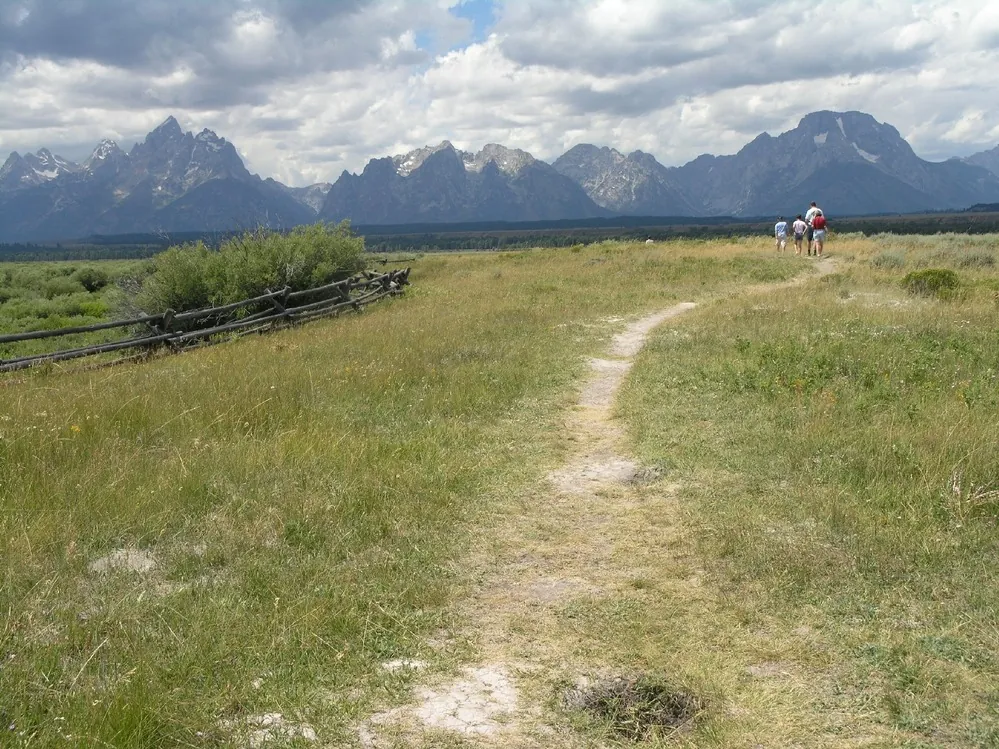 (source: nps.gov)
The Rise of the Fur Companies
Beaver-felt top hats were the must-have fashion in London and Paris from roughly 1790 to 1840. One pelt could fetch $4–6 in St. Louis. Three companies pushed into the Northern Rockies: the American Fur Company (Astor), the Hudson's Bay Company, and the freewheeling Rocky Mountain Fur Company (Ashley, Smith, Jackson, Sublette). The Tetons and Island Park sat exactly on the seam between all three.
Pierre's Hole & the Rendezvous System
Instead of permanent forts, William Ashley invented the annual rendezvous — a summer trade fair held in the wilderness. Two of the most famous were held in Pierre's Hole (today's Teton Valley, Idaho) in 1829 and 1832. Driving WY-33 between Driggs and Tetonia today, you are crossing the front lawn of the entire mountain-man economy. Plan a day trip with our Jackson Hole day-trip guide.
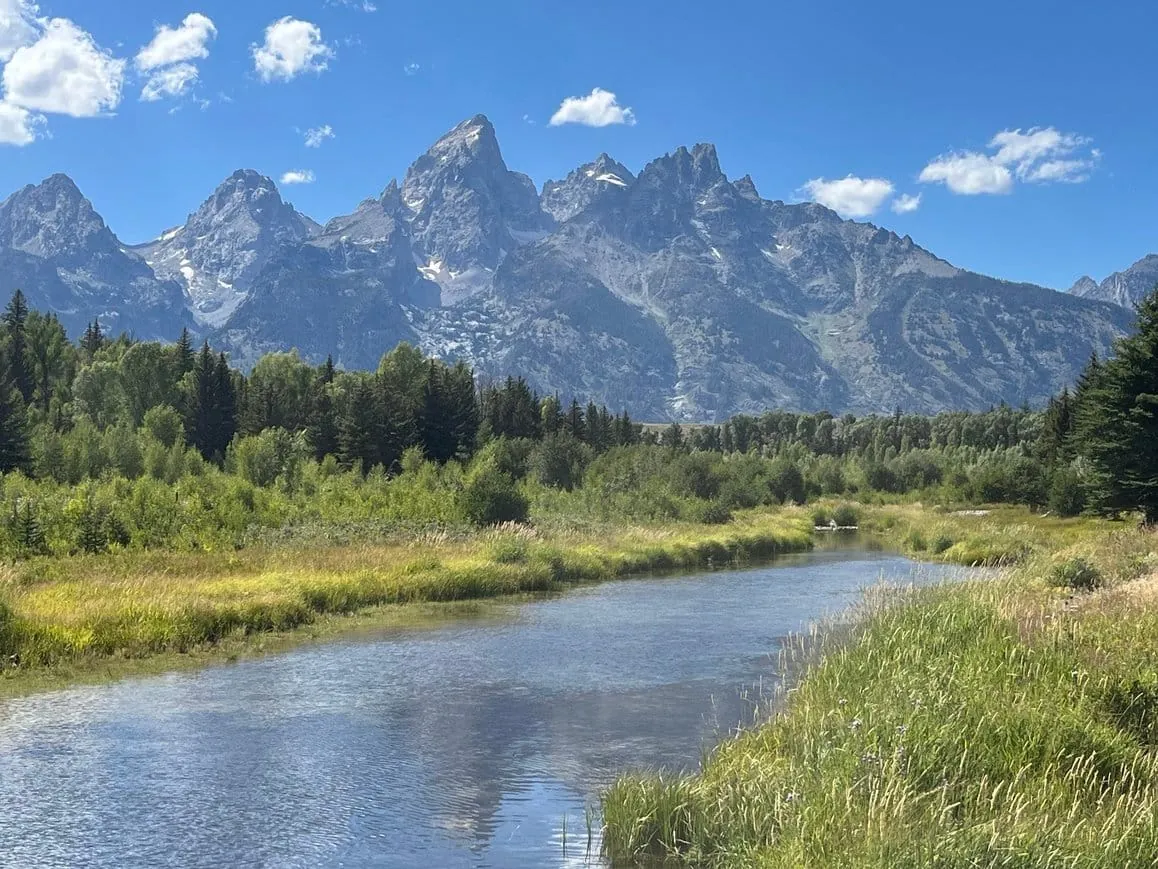
Bridger, Smith, Sublette & Jackson
- Jim Bridger — joined Ashley's first expedition at 18; the great storyteller of early Yellowstone.
- Jedediah Smith — rediscovered South Pass, the gateway of the Oregon Trail.
- William Sublette — first to drive wagons over South Pass, launching the wagon-train era.
- David "Davey" Jackson — wintered so often in the valley east of the Tetons that his crew named it Jackson's Hole. The full story is in Jackson Hole Settlement.
The Battle of Pierre's Hole (July 18, 1832)
As the 1832 rendezvous broke up, a Sublette party clashed with a band of Gros Ventre returning from the south. A truce attempt failed and turned into the largest pitched fight of the Rocky Mountain fur era — fought in the meadow you can still see today from the Driggs–Tetonia highway, with the Tetons towering directly above.
Collapse of the Beaver Trade
By the late 1830s, silk hats replaced beaver-felt hats in European fashion and the Snake, Henry's Fork, Madison, and Yellowstone had been trapped close to bare. The 1840 Green River rendezvous was the last. The trappers scattered into army scouts, guides, and outfitters — including those who guided the Washburn, Hayden, and Doane expeditions that led to the creation of Yellowstone.
Legacy on the Map
- Teton Pass (WY-22) — Colter's likely route.
- South Pass (WY) — Smith's rediscovery, the corridor for half a million emigrants.
- Targhee Pass (US-20) — still the everyday route from Island Park to West Yellowstone.
- Henry's Fork of the Snake — named for Andrew Henry, now world-famous for fly fishing.
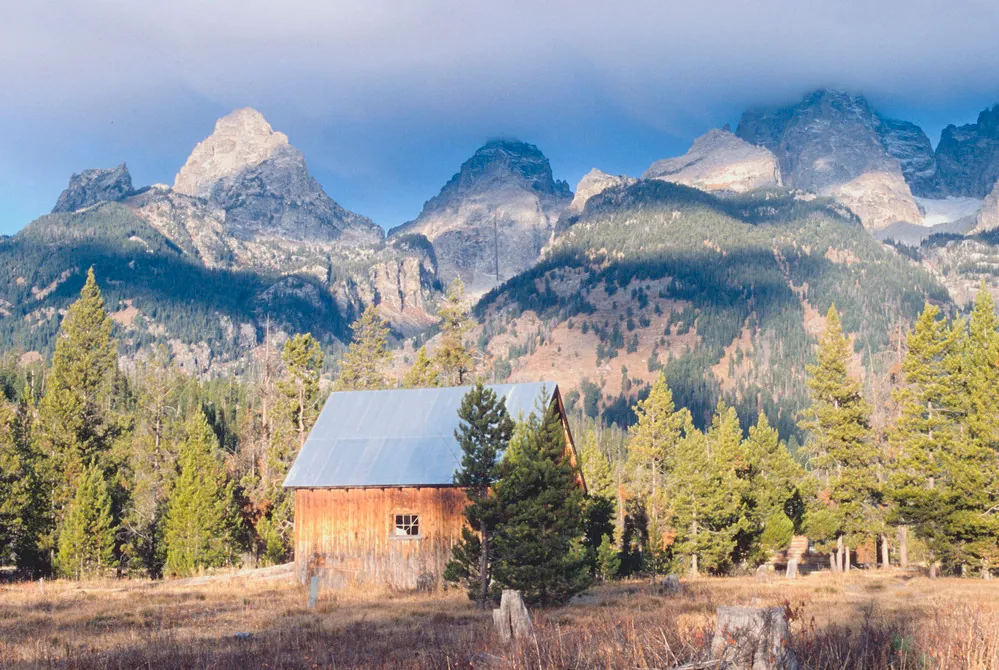 (source: nps.gov)
Visiting Mountain Man Country Today
Almost all the original mountain-man country is within an easy drive of our cabin in Island Park. Travel time to Grand Teton National Park is just over 2 hours; Pierre's Hole / Driggs is closer to 90 minutes via Ashton.
Pierre's Hole (Teton Valley, ID)
Drive WY-33 between Driggs and Tetonia for the same view the 1832 rendezvous saw.
Teton Pass (WY-22)
Colter's likely 1808 crossing. Summit pullout has interpretive signage.
Snake River Overlook (GTNP)
The bend the trappers followed into Jackson Hole; later immortalized by Ansel Adams.
Museum of the Mountain Man (Pinedale, WY)
About 3 hours south of Island Park — full rendezvous reconstruction.
Dates and exact locations of rendezvous and skirmishes are drawn from historian accounts and may vary slightly between sources. Always check current park and pass conditions before traveling.